English
 français
 Español
 русский
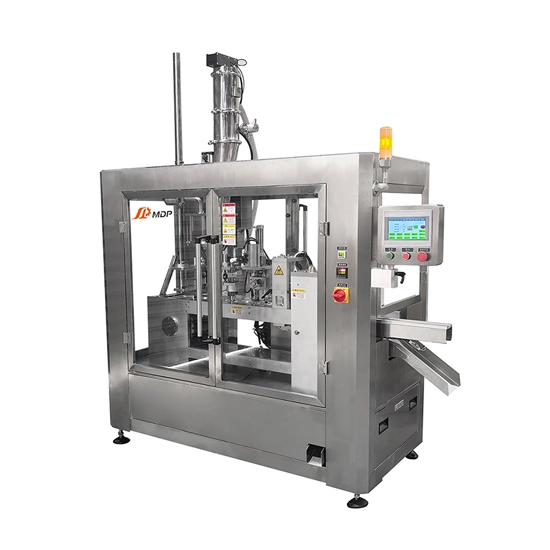
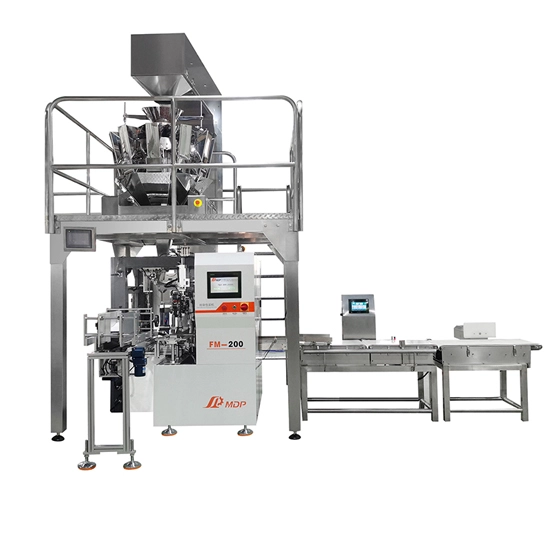
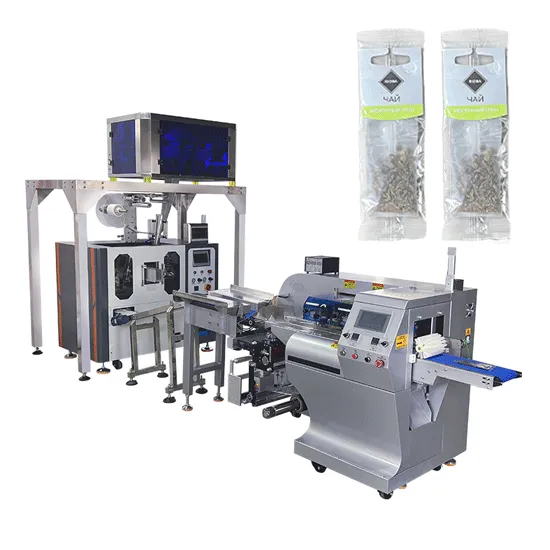
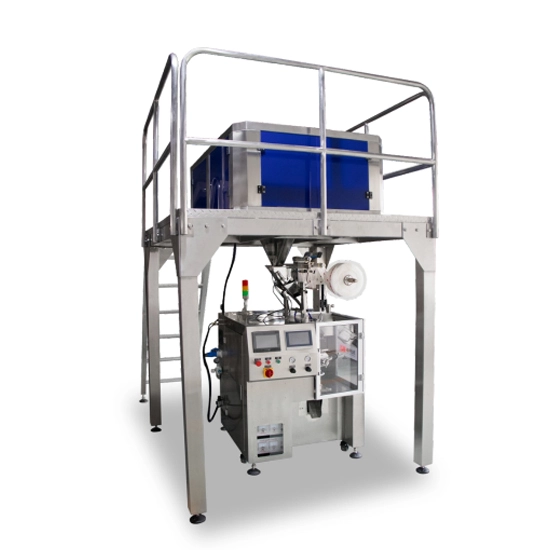
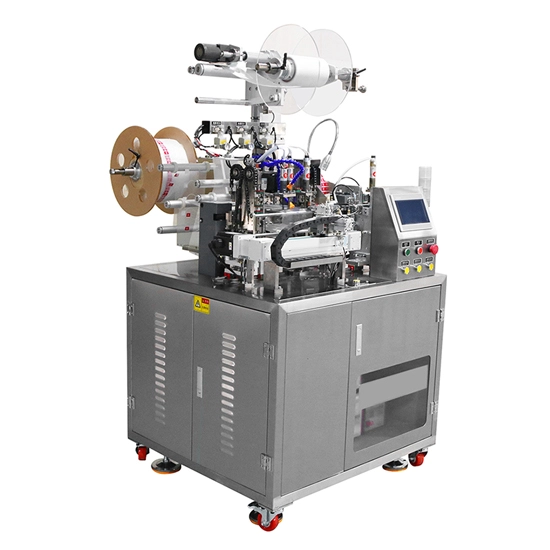
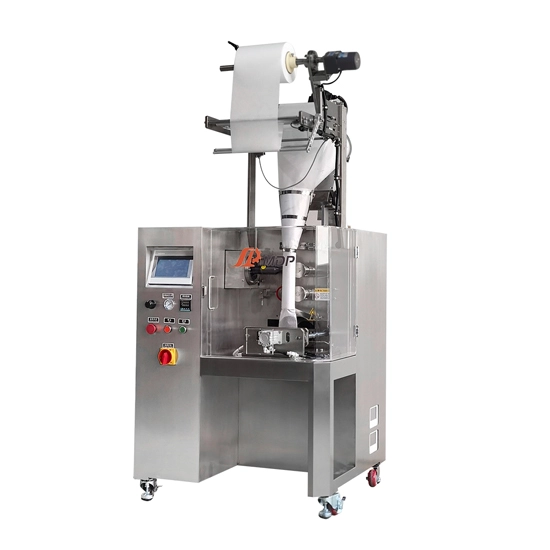
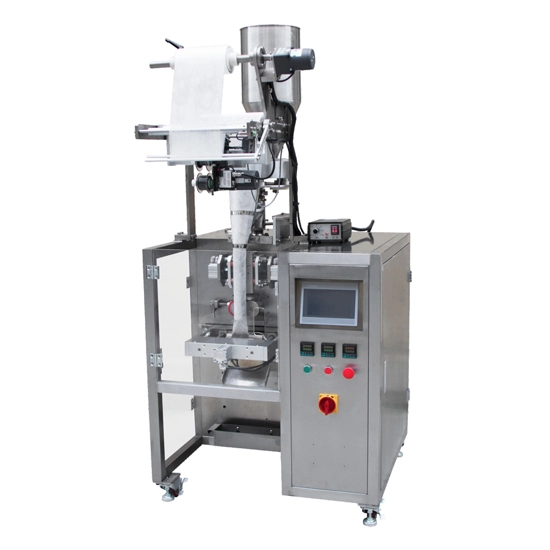
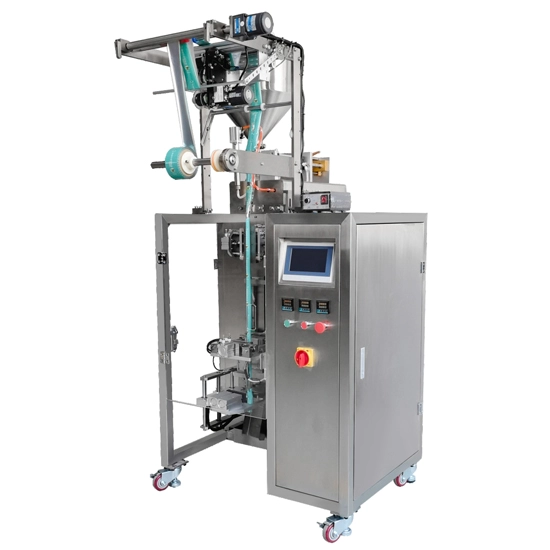
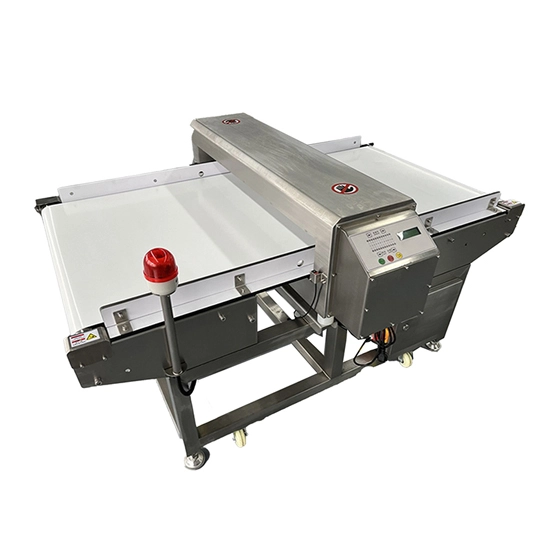
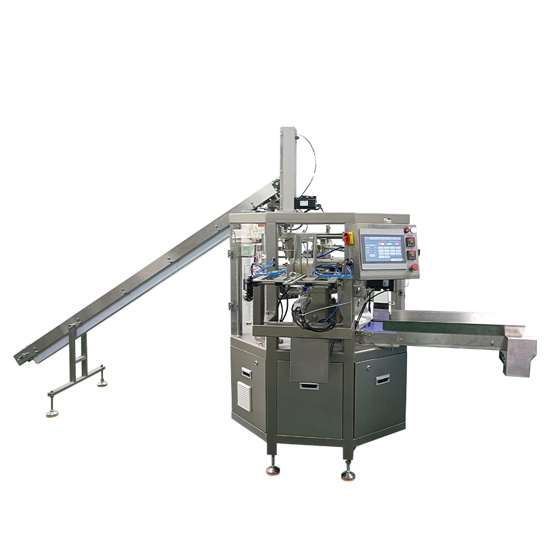
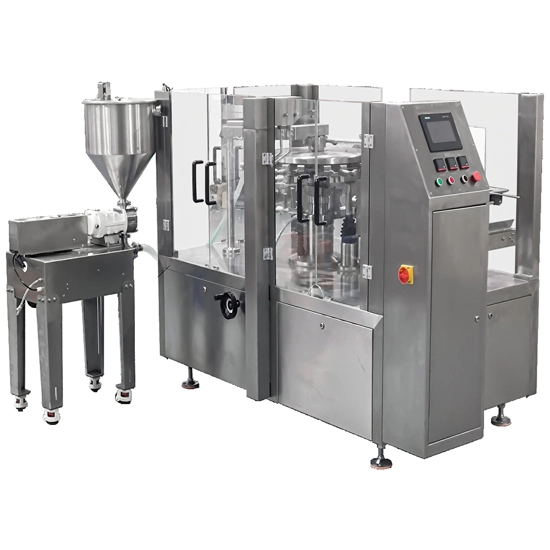
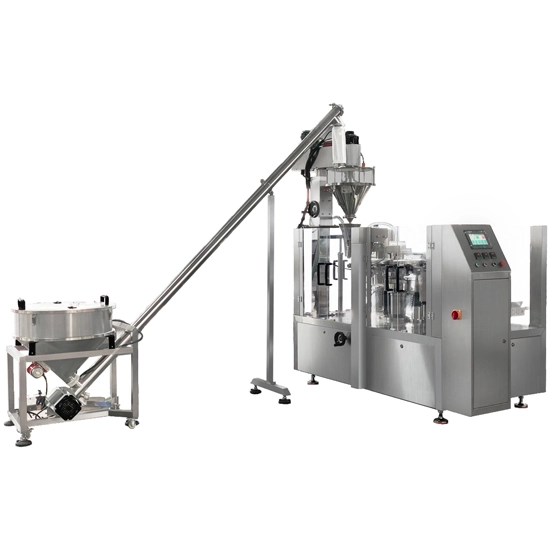
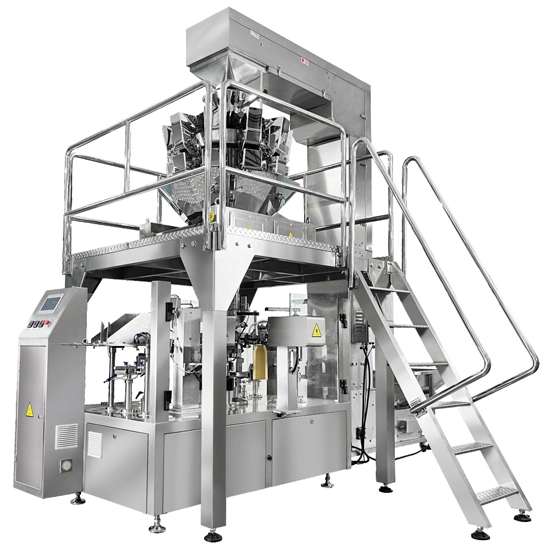

A pouch can look perfectly sealed on the outside and still have problems that only become obvious during production or after delivery. The fill weight may fluctuate, liquid may remain around the sealing area, or the film may fail to run smoothly through the machine. These issues are rarely caused by one component alone. They usually come from a mismatch between the liquid, packaging material, filling system, and machine settings.
That is why choosing liquid pouch packaging equipment requires more than comparing quoted prices or advertised production speeds. A suitable system needs to handle the actual characteristics of the product while maintaining stable filling, reliable sealing, and consistent pouch formation throughout a production run.
This is particularly important when different liquids or pouch sizes are involved. A machine configured for a thin, free-flowing liquid may require substantial adjustments when used for a thicker product. Likewise, a packaging film that seals well under one set of conditions may behave differently when its structure or thickness changes.
Understanding these relationships makes it easier to select a liquid pouch packing machine that fits the application instead of adapting the product to the machine.
Filling accuracy starts with how the liquid moves through the system. The filling mechanism has to deliver a repeatable quantity while dealing with the natural characteristics of the product.
Viscosity is one of the most obvious variables. A water-like liquid can move rapidly through a filling line, whereas a thicker sauce, lotion, or concentrate may need more controlled product delivery. Liquids containing suspended particles introduce another consideration because the filling path must accommodate those particles without causing blockages or inconsistent dosing.
The required filling volume matters as well. A system intended for relatively small pouches may not be configured in the same way as one designed for larger fills. Pump capacity, valve response, nozzle dimensions, and filling time all need to work together.
Common factors affecting filling consistency include:
Liquid viscosity and flow behavior
Product temperature
Product density
Presence of particles or suspended solids
Pump performance
Valve response
Filling nozzle design
Target filling volume
Stability of machine settings
It is also important to consider what happens immediately after filling. If the nozzle continues dripping or the pouch moves before the liquid has settled sufficiently, product can reach the sealing area. This can turn an apparently accurate filling process into a package-quality problem.
For that reason, filling accuracy should be evaluated together with pouch handling and sealing rather than treated as an isolated specification.
When assessing a liquid pouch packing machine, testing with the actual product is one of the most useful steps a manufacturer can take. It gives a much clearer picture of how the machine behaves under realistic conditions than a general specification sheet.
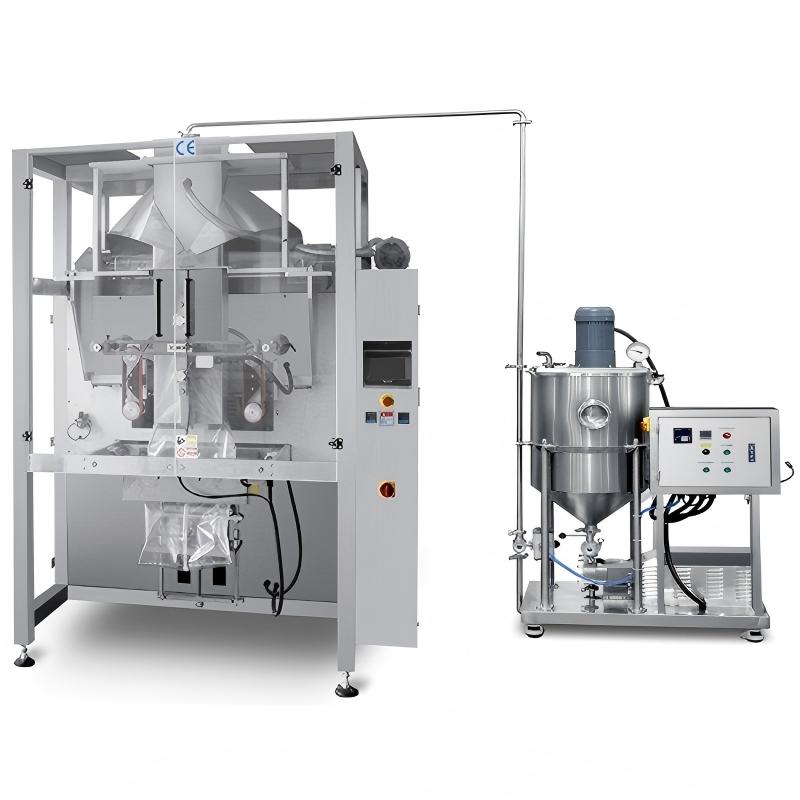
The word "liquid" covers a surprisingly wide range of products. Water, cooking oil, shampoo, sauces, detergents, creams, and beverages can all require different approaches to filling.
For low-viscosity liquids, controlling flow is often more important than simply increasing the filling rate. If the liquid moves too aggressively, splashing or dripping can affect the pouch and sealing area.
Medium-viscosity products tend to require more controlled feeding. Stable pressure and properly timed valves can help prevent variations between individual pouches.
High-viscosity products present a different challenge. They may move slowly through the filling system and require a suitable pump, nozzle, and filling sequence. Increasing machine speed without considering these characteristics can make the process less stable rather than more productive.
Products containing particles need another level of attention. The size and concentration of particles can influence the design of the filling path, while the product's tendency to settle may also affect consistency if it is not kept sufficiently uniform before filling.
Temperature should not be overlooked either. Some liquids become noticeably more or less viscous as temperature changes. If the product behaves differently at the beginning and end of a production run, filling performance can change even though the machine settings remain the same.
This is why a supplier needs more information than simply the product name. Viscosity range, temperature, target fill quantity, particle characteristics, and packaging format can all affect the recommended configuration.
A well-matched liquid pouch packing machine should be configured around those conditions rather than relying on a one-size-fits-all setup.
It is tempting to make packing speed the main purchasing criterion. In practice, maximum speed has limited value if the machine cannot maintain stable filling and sealing at that rate.
The actual output of a pouch packaging line depends on the entire sequence. Filling time, liquid behavior, pouch dimensions, film movement, sealing, cutting, and product changeovers can all affect the number of finished pouches produced during a shift.
A useful comparison looks like this:
| Factor | What Happens When Speed Is Prioritized | What a Balanced System Should Achieve |
|---|---|---|
| Filling | Faster liquid delivery may increase variation | Stable filling matched to product behavior |
| Product handling | Greater flow demand | Smooth transfer without excessive splashing |
| Sealing | Less time available per cycle | Enough time for reliable sealing |
| Film movement | Higher running speed | Consistent tracking and pouch formation |
| Production output | High theoretical capacity | Consistent practical output |
| Quality | Greater sensitivity to settings | Repeatable pouch quality |
Suppose a machine is capable of running at a high cycle rate under ideal conditions. That does not necessarily mean the same rate is appropriate for every product. A thick liquid may require a slower filling sequence, while a thin liquid may need additional control to prevent dripping.
The more useful question is therefore not "What is the maximum speed?" but "At what speed can this product be filled and sealed consistently?"
During equipment testing, manufacturers should look beyond a few successful pouches. A longer trial can reveal whether filling gradually becomes inconsistent, whether film tracking changes, or whether the sealing area becomes contaminated as production continues.
For a liquid pouch packing machine, stable production is usually more valuable than a high theoretical speed that cannot be maintained in normal operating conditions.
Once the liquid has been filled, the pouch still has to survive sealing, handling, storage, and transportation. The seal is therefore not simply the final step of the process; it is one of the main factors determining whether the package remains intact.
Heat sealing generally depends on a combination of temperature, pressure, and sealing time. The appropriate settings vary according to the film structure, so there is no single temperature or sealing time that can be recommended for every pouch.
The condition of the sealing area is equally important. If liquid gets between the film layers before sealing, even a properly adjusted sealing system may produce an unreliable seal.
This is where filling and sealing become closely connected. Nozzle positioning, filling timing, pouch movement, and product viscosity can all influence how clean the sealing area remains.
A stable sealing process should provide:
Consistent temperature across the sealing area
Appropriate pressure
Sufficient sealing time
Accurate film alignment
Minimal product contamination
Repeatable pouch positioning
Finished pouches should also be inspected rather than assuming that a good-looking seal is automatically a strong one. Depending on the product and application, manufacturers may use visual inspection, leak testing, or other appropriate package-integrity checks.
The objective is not simply to make a pouch that looks good when it leaves the machine. It needs to remain sealed during normal handling and distribution.
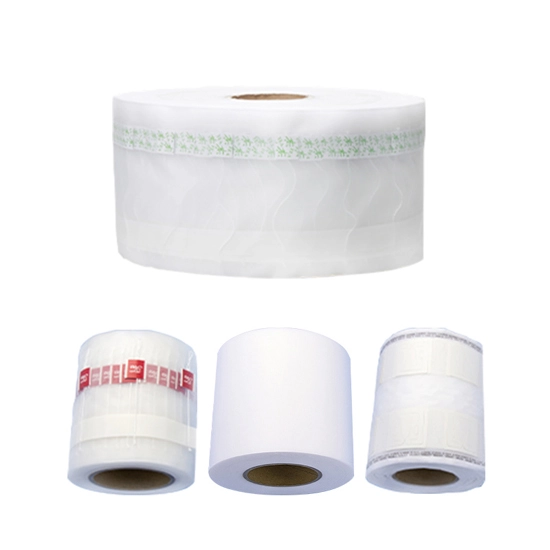
Packaging film and packaging equipment have to work as a pair.
A film may have excellent barrier or mechanical properties but still create difficulties during forming or sealing if it is not compatible with the machine. Conversely, a machine may operate correctly while the selected film fails to provide the required package performance.
Several film characteristics deserve attention:
The sealing layer needs to form a reliable bond under the operating conditions of the machine. Different film structures can require different sealing parameters.
The finished pouch must tolerate filling, conveying, handling, and transportation. The required film strength depends partly on the product and package size.
Some products require protection against moisture, oxygen, light, or other environmental factors. The film structure should reflect the product's storage requirements.
The packaging material must be suitable for contact with the intended liquid and remain stable under the expected storage conditions.
Film thickness, stiffness, friction characteristics, width, and surface properties can affect how smoothly the material travels through the machine.
For this reason, film should ideally be tested on the proposed equipment before production specifications are finalized. A film that works well on another machine is not automatically guaranteed to behave identically on a different packaging line.
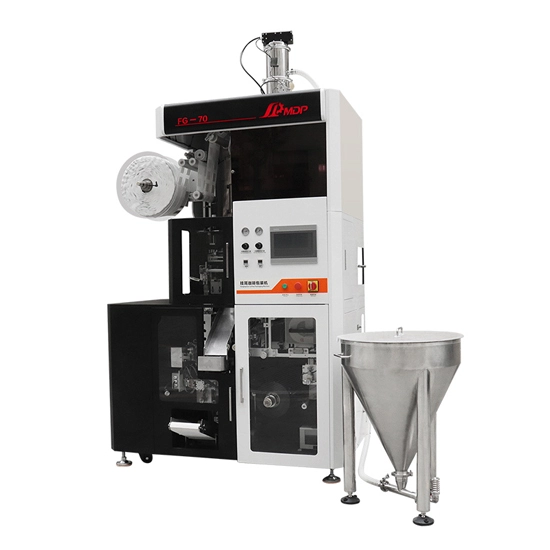
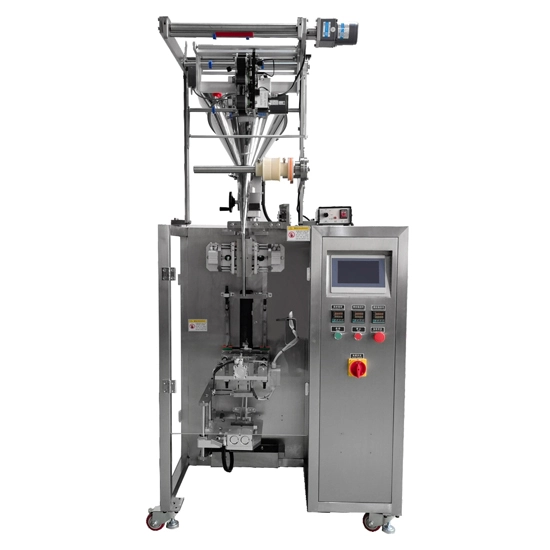
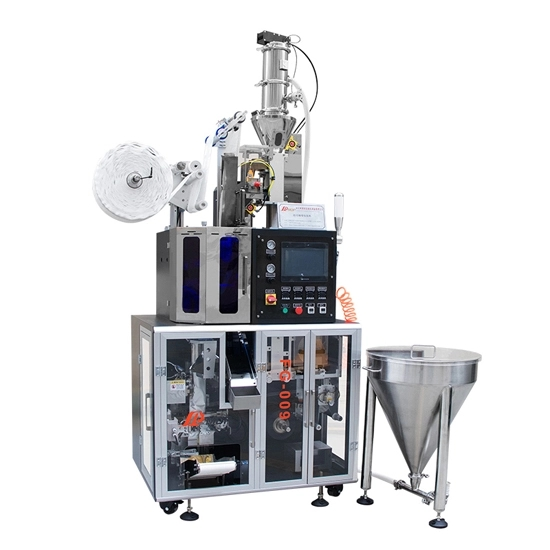
Manufacturers looking for suitable packaging equipment can review the MD Packer product range and compare available solutions according to their pouch packaging requirements.
Once the equipment and film have been selected, consistency comes down to how well the process is controlled.
A machine may have many adjustable parameters, but changing them randomly can make troubleshooting more difficult. It is better to establish a controlled set of settings for each product and package format and then make adjustments based on actual production results.
Depending on the equipment, these settings may include:
Filling volume
Filling time
Pump speed
Valve timing
Nozzle position
Sealing temperature
Sealing pressure
Sealing time
Film tracking
Pouch length
Cutting position
When a new liquid or film is introduced, the machine should be tested and adjusted rather than simply applying the settings used for another product.
Routine checks can also catch small problems before they become production-wide issues. Operators may monitor fill quantity, pouch dimensions, seal appearance, leakage, film tracking, and other relevant quality indicators.
For manufacturers running multiple SKUs, recording validated settings for each product can make changeovers more predictable and reduce unnecessary trial and error.
Not every operation needs the same degree of automation. A manual liquid pouch packing machine may make sense for small-scale production, product development, testing, or applications where production volumes are relatively limited.
The trade-off is operator involvement. Depending on the equipment design, the operator may be responsible for more of the filling, pouch handling, or other packaging tasks. This can make the process more flexible, but production consistency may depend more heavily on operating procedures and operator experience.
A more automated system becomes increasingly attractive when production requires repeatable output, reduced manual intervention, or easier integration with other packaging equipment.
| Consideration | Manual Liquid Pouch Packing Machine | More Automated System |
|---|---|---|
| Operator involvement | Higher | Lower |
| Process consistency | More dependent on operator | More controlled by machine settings |
| Production scale | Often suitable for smaller operations | Better suited to regular or higher-volume production |
| Flexibility | Useful for certain flexible applications | Depends on machine configuration |
| Initial investment | Typically lower | Typically higher |
| Expansion potential | More limited | Generally easier to integrate into a larger line |
The important point is that automation should follow the actual production requirement. A highly automated machine is not necessarily the better investment if the application is small and frequently changing. At the same time, relying heavily on manual operations can become inefficient as demand increases.
If you already know your liquid characteristics, pouch dimensions, filling requirements, or expected production output, you can contact MD Packer to discuss the application and machine configuration.
Reliable liquid pouch packaging comes from getting several variables right at the same time. The liquid determines how the filling system needs to behave. The film influences forming and sealing. Machine settings determine how consistently the process runs, while production speed needs to be matched to the actual characteristics of the product.
When choosing a liquid pouch packing machine, manufacturers should therefore look beyond individual specifications. A machine that offers impressive speed but struggles with the product is unlikely to deliver the expected production value. Likewise, a machine with suitable filling technology can still produce poor packages if the film or sealing conditions are not properly matched.
For smaller applications, a manual liquid pouch packing machine may provide the flexibility needed without unnecessary automation. For larger or more consistent production requirements, a higher level of automation can help reduce manual intervention and maintain repeatable output.
The safest approach is to define the product, pouch, filling range, film, and production target before making the final equipment decision. Testing those variables together provides a much more reliable basis for selecting packaging equipment and establishing stable production conditions.
Liquid viscosity, density, temperature, filling volume, pump performance, valve timing, nozzle design, and machine settings can all influence filling accuracy.
It can, depending on the machine configuration. Significant differences in viscosity, particles, filling volume, or cleaning requirements may require different components or settings.
It can. If the filling and sealing process is pushed beyond the appropriate operating range for a particular liquid, consistency may decrease. The practical production speed should be established through product testing.
Possible causes include unsuitable film, incorrect sealing temperature or pressure, insufficient sealing time, film misalignment, or liquid contamination in the sealing area.
A manual liquid pouch packing machine can be suitable for smaller production volumes, product trials, or applications where greater operator involvement is acceptable.
Provide the liquid type and characteristics, target filling quantity, pouch dimensions, packaging film, desired production output, and any special requirements such as particles, temperature control, or frequent product changeovers.