English
 français
 Español
 русский
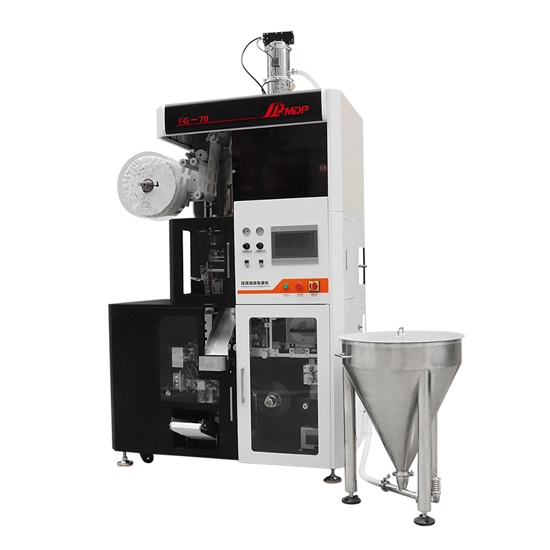
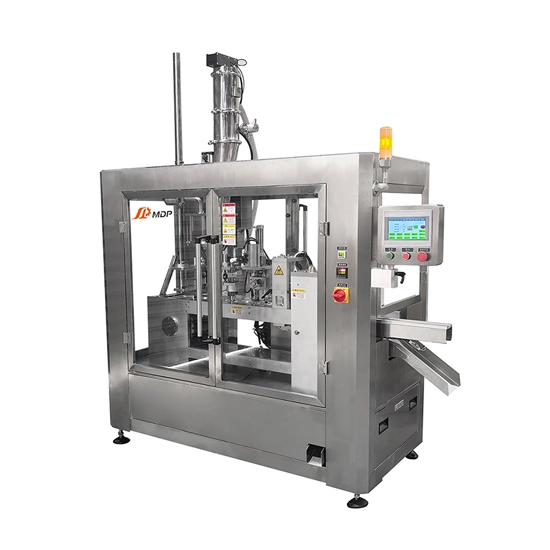
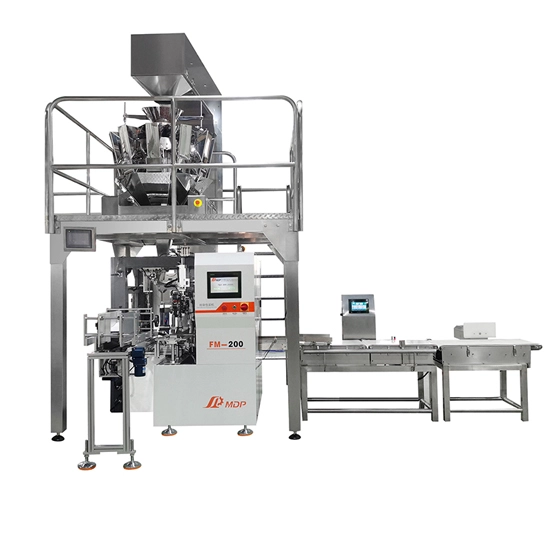
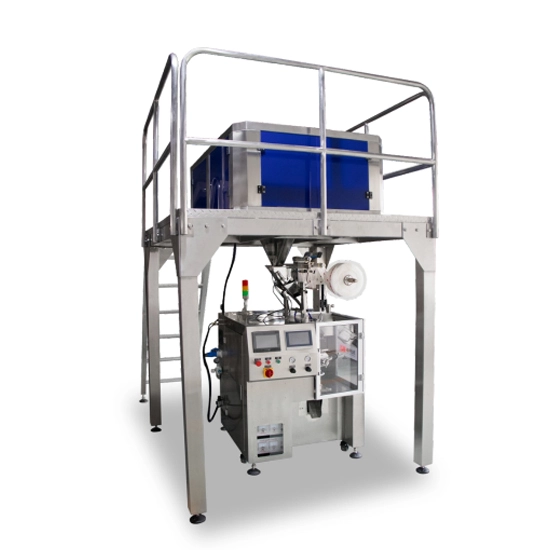
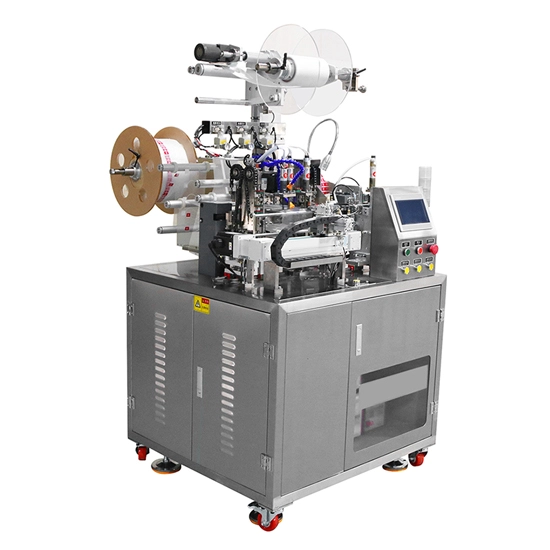
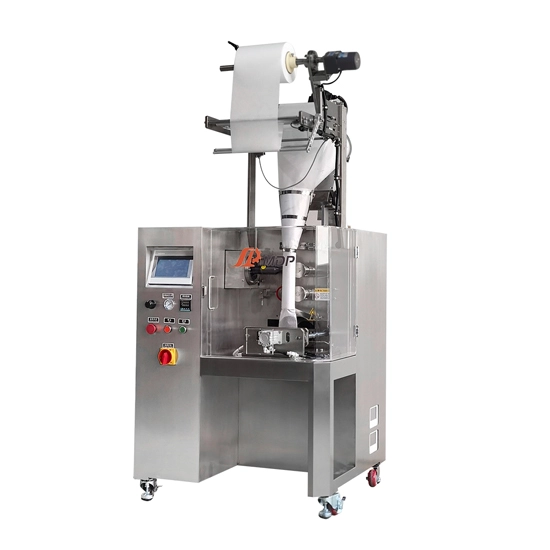
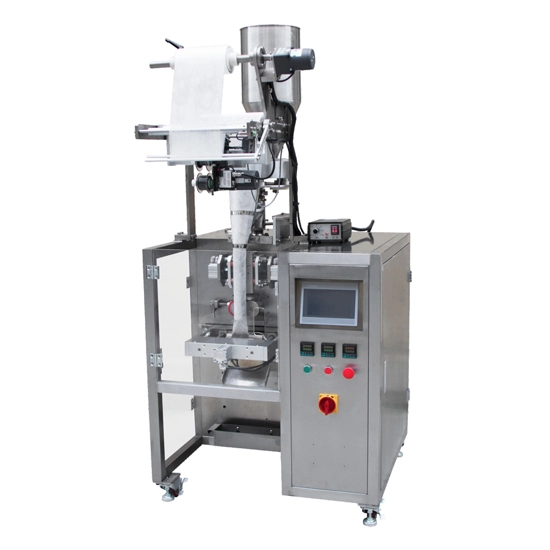
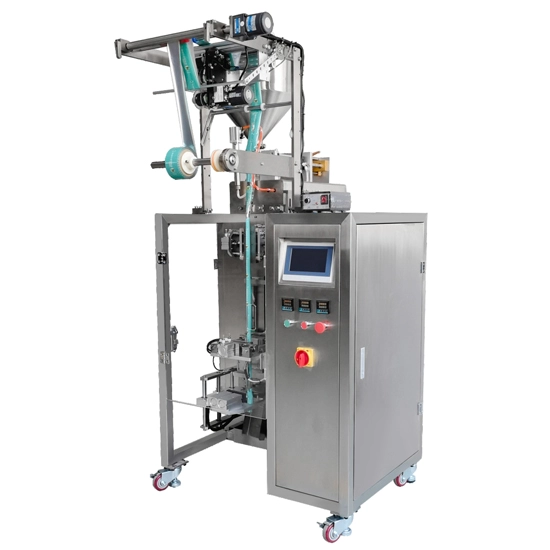
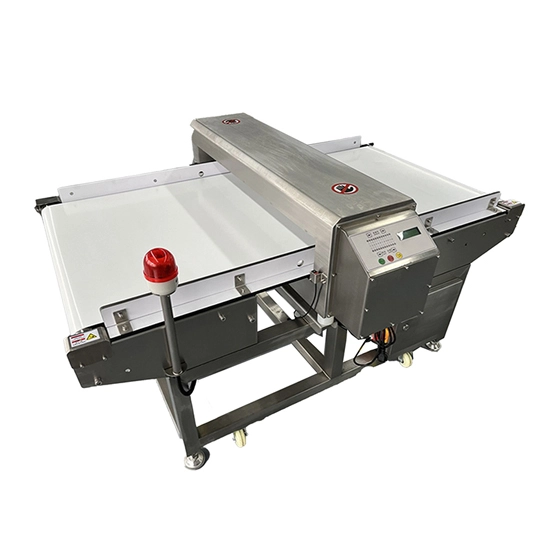
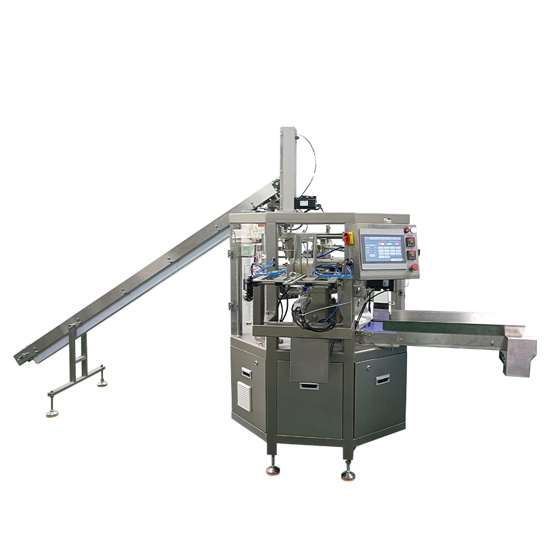
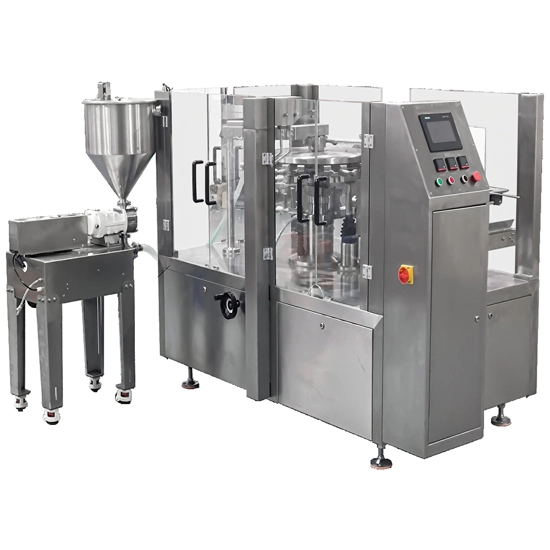
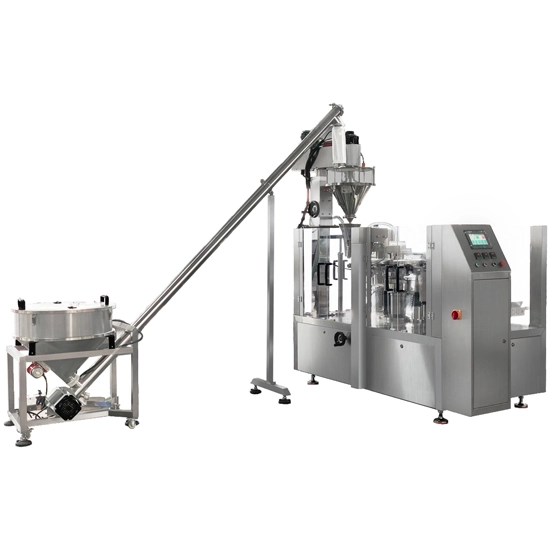
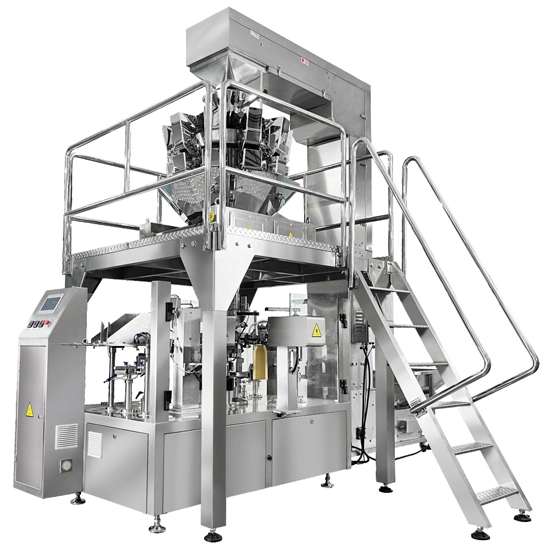

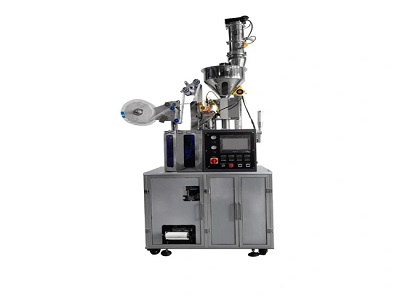
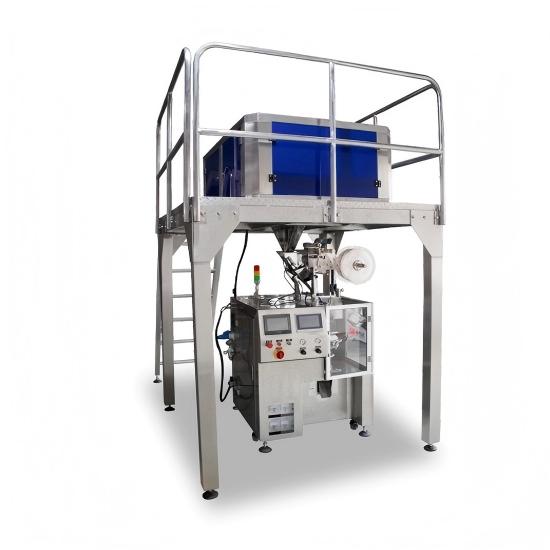
Choose a coffee packaging machine by matching it to your pack format, required throughput, and quality targets—then verifying the machine can hold those targets over long runs with your real coffee and packaging materials. In production, the right choice is the equipment that protects fill-weight consistency, seal integrity, and uptime, because those three metrics decide your true cost per pack.
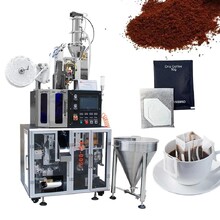
Coffee packaging formats look similar from a distance, but the process demands are very different:
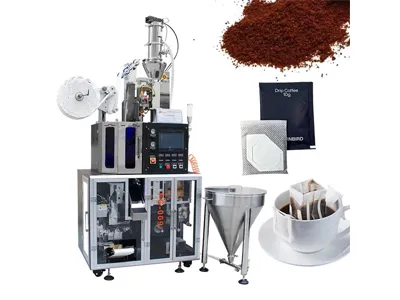
Filter drip coffee (inner + outer pack): multiple forming and sealing steps; common risks include transfer misalignment, dust near the sealing area, and dosing variation.
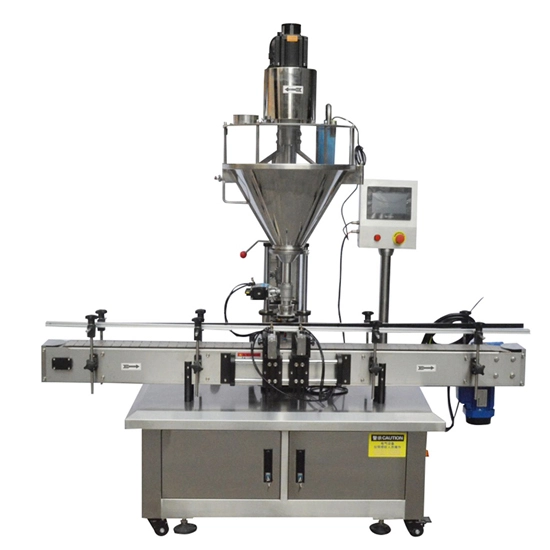
Coffee capsules: repeatable filling and dependable sealing rhythm; common risks include powder handling, sealing variation, and changeover stability.
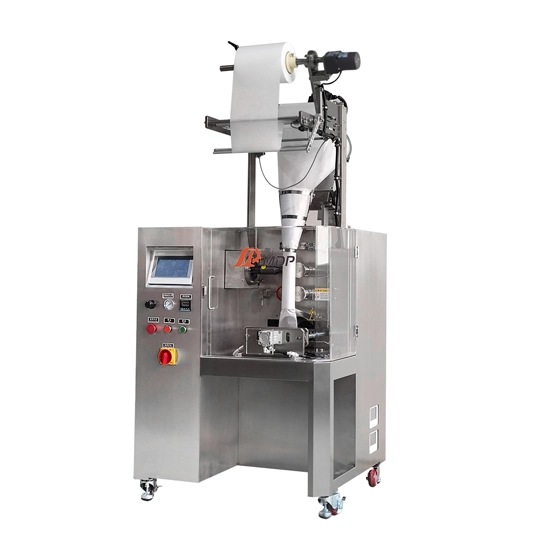
Premade pouches for coffee beans: consistent pouch opening and accurate weighing; common risks include pouch feeding issues, poor top opening, and seal variation across pouch suppliers.
If the machine is not built for your format, you’ll pay for it in rejects, stoppages, and constant operator adjustments.
Machine speed in a brochure is rarely what you get every hour of every shift. A better way to size capacity:
Calculate peak demand (packs/day or packs/shift).
Convert to required packs/hour at your planned operating hours.
Add realistic time for startup checks, cleaning, and changeovers.
Select capacity with margin so the line doesn’t run at the edge every day.
This reduces overtime, shipping pressure, and the hidden cost of micro-stops.
Weight stability is not only a quality issue—it’s a cost issue. Overfill becomes giveaway; underfill becomes complaints and compliance risk. When evaluating coffee packaging equipment, look closely at:
Feeding stability for ground coffee (bridging, clumping, surging)
Dosing repeatability across long runs (not only at startup)
Ease of cleaning in the product path, hopper/silo, and dosing area
Control logic that keeps output consistent rather than requiring constant manual tuning
A useful purchase step is to request sample data: weigh a set of packs taken at the start, middle, and end of a production run to see if variation increases over time.
Seal integrity is where many downstream issues begin. Micro-leaks, weak seals, wrinkles, and contamination in the seal area often pass visual inspection but fail later during storage or distribution.When you review a machine, confirm:
The sealing method fits your packaging material (film structure/pouch type/capsule spec)
Sealing parameters remain stable at your operating speed
The design minimizes coffee dust interference near sealing surfaces
Date/lot coding is integrated reliably (placement, legibility, repeatability)
If you already run QC checks, align sealing validation with your routine methods (seal strength checks, leak checks, first-article approval after changeovers).
Many packaging delays don’t come from the machine itself, but from what surrounds it: manual feeding, product collection, or frequent stoppages for cleaning and refilling.Consider:
Automatic feeding options and how they fit your material
Operator workload at target speed (how many touchpoints per cycle?)
Footprint and maintenance access (serviceability matters)
Changeover workflow (tools, time, and repeatability)
Spare parts availability and a clear maintenance schedule
If you expect more SKUs or higher volumes later, choose equipment that can integrate into a more complete packaging line without major rework.
To receive a quote that’s accurate (and comparable across suppliers), provide:
Product format (drip bag / capsule / premade pouch)
Target weight range and tolerance
Packaging specs (dimensions, material type, film/pouch supplier info)
Target output (packs/min or packs/hour) and run hours per shift
Coding requirements (date/lot, print position)
Utilities (power, compressed air) and site constraints (space/height)
Quality targets (reject rate, inspection method) and commissioning needs (installation/training)
Selecting automatic packaging machinery is essentially selecting a production outcome: stable weight, stable seals, and stable uptime. Once you define your pack format and throughput goals—and treat dosing and sealing as controlled processes—equipment selection becomes much faster, and the line becomes easier to scale without surprises.
Q1: What information do I need to request a coffee packaging machine quotation?
A: Provide your pack format, packaging material specs and dimensions, target weight range/tolerance, target output, coding requirements, and your site utilities (power and air).
Q2: Why does fill-weight variation increase after running for a few hours?
A: Common causes include unstable feeding, powder buildup in the product path, changes in material flow due to humidity/static, or inconsistent operator adjustments. Cleaning routines and standardized recipes help prevent drift.
Q3: What causes coffee packaging leaks if the seal looks fine?
A: Micro-leaks can come from coffee dust in the seal area, incorrect sealing settings, or packaging material variation. They often appear after shipping stress rather than immediately.
Q4: Should I prioritize speed or consistency when buying packaging equipment?
A: Consistency. A machine that runs slightly slower but produces stable, saleable output with fewer stops usually delivers more usable volume per day.
Q5: Can one packaging supplier support multiple formats like drip bags, capsules, and premade pouches?
A: Many manufacturers offer multiple format solutions. If you plan to expand formats, confirm integration options, changeover approach, and support for future line expansion.