English
 français
 Español
 русский
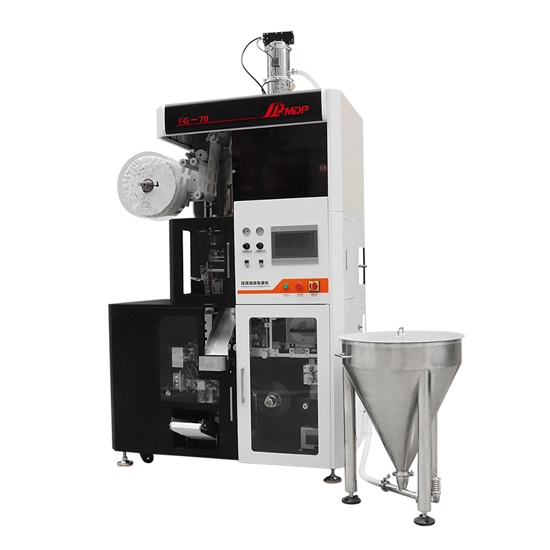
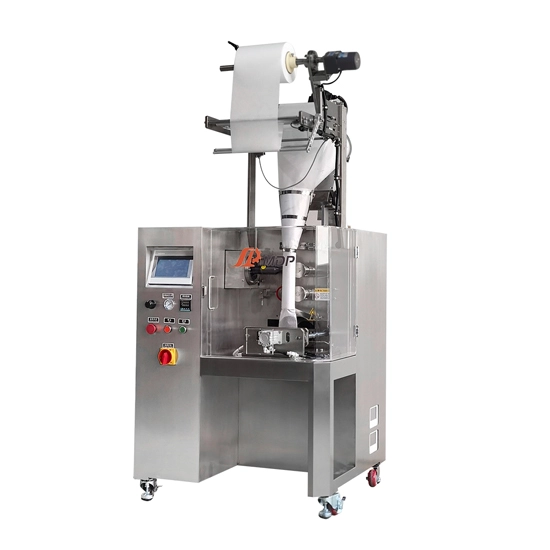
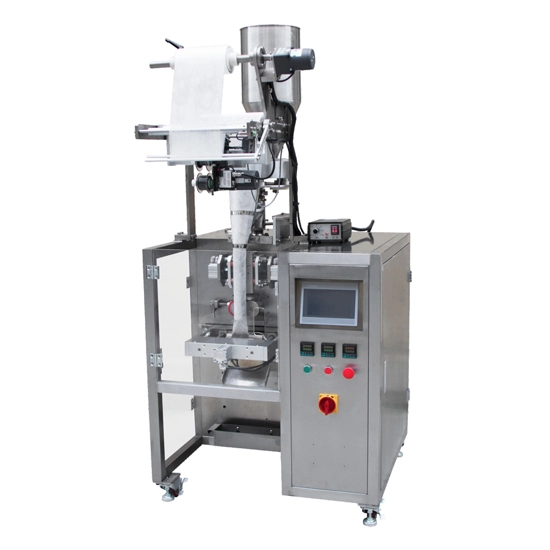
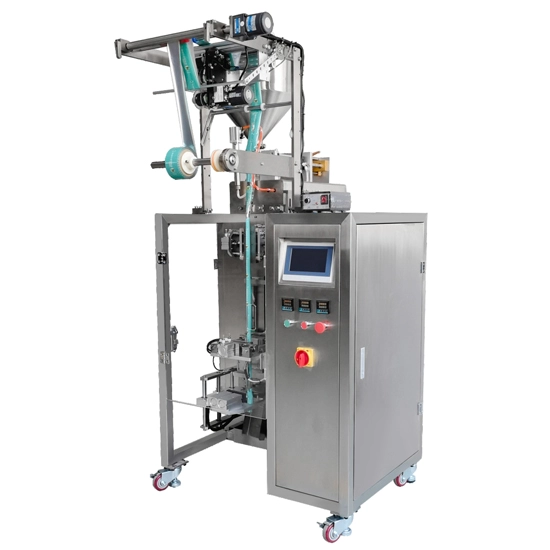
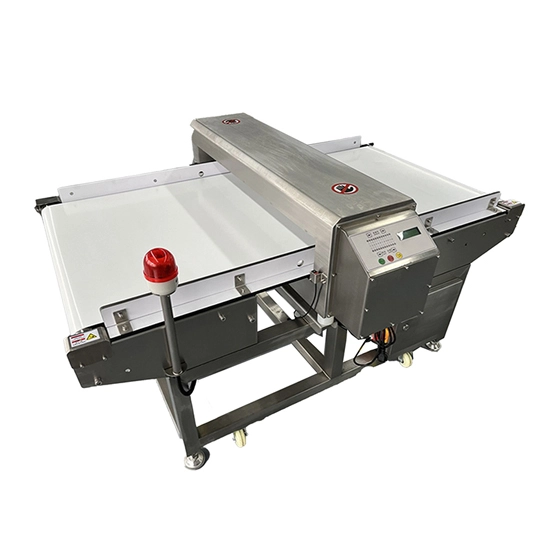

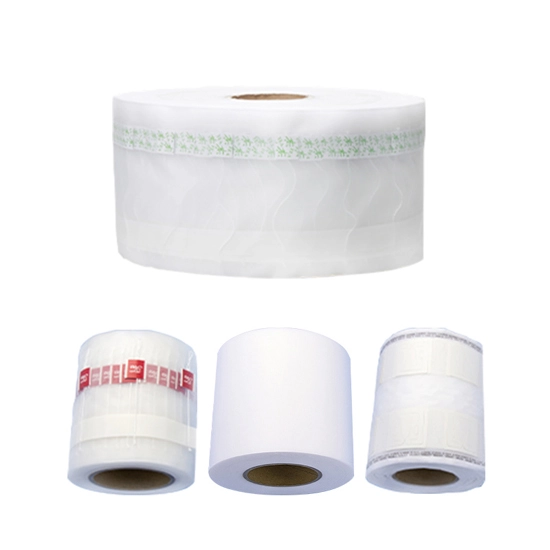
Most coffee packaging problems trace back to a few controllable factors: material flow, dosing control, seal-zone cleanliness, utility stability, and preventive maintenance. If you’re seeing leaks, inconsistent weights, or frequent stops, the best results usually come from addressing root causes systematically—starting with the issues below.
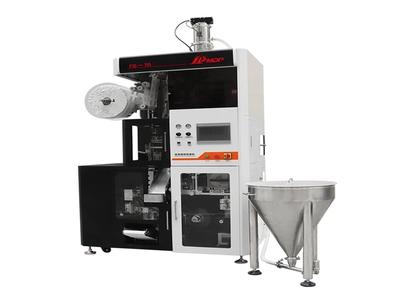
Ground coffee can behave unpredictably depending on grind distribution, oil content, humidity, and static. Unstable feeding leads directly to weight variation and stop-start production.Prevention: Confirm the feeding method suits coffee powders, standardize hopper loading practices, and schedule cleaning to prevent buildup that changes flow behavior.
Many lines pass startup checks but drift later due to residue, vibration changes, or incremental parameter tweaks.Prevention: Use standardized parameter “recipes” for each SKU, run scheduled in-process checks, and treat drift as a signal to inspect or clean—not as normal.
Coffee dust is one of the most common causes of weak seals and micro-leaks. These defects may not be visible at the line but can fail later.Prevention: Reduce dust migration, keep sealing surfaces clean, and define a cleaning frequency based on run length and product type.
Packaging films and premade pouches vary by supplier and batch. A setting that works today may not work next month.Prevention: Approve materials with documented sealing windows and re-validate parameters after any material change (supplier, thickness, laminate structure).
Wear parts often fail gradually: cut quality declines, alignment shifts, then jams and rejects increase.Prevention: Replace wear parts on a planned schedule and keep critical spares in inventory. Use reject trends as an early warning system.
Leaving coffee in the hopper encourages moisture pickup and residue, which can impact hygiene and tomorrow’s accuracy.Prevention: Empty and clean the hopper/silo promptly after production, especially before shutdowns and SKU changes.
Packaging equipment depends on stable utilities. Air pressure drops or voltage fluctuations can cause inconsistent motion, alarms, and sealing variation.Prevention: Use proper air filtration/regulation, confirm electrical supply requirements, and include utility checks in daily startup SOPs.
A significant share of rejects happen right after changeovers: wrong settings, missed adjustments, or leftover residue.Prevention: Create a changeover checklist, label critical adjustments, perform a first-article approval (weight + seal + coding), then ramp to full speed.
Reactive maintenance increases downtime and makes performance unpredictable. Prevention: Build a simple preventive plan: daily cleaning, weekly inspections, scheduled wear-part replacement, and monthly review of downtime/reject data.
Reducing rejects and downtime is usually less about one dramatic change and more about controlling the basics: stable feeding, repeatable dosing, clean sealing, stable utilities, and preventive maintenance. Once those foundations are in place, you’ll see more consistent output, lower scrap, and fewer production interruptions.
Q1: What are the most common causes of downtime on coffee packaging lines?
A: Feeding instability, seal-area contamination, worn wear parts, utility fluctuations (air/power), and changeover mistakes are among the most common causes.
Q2: How can I reduce giveaway (overfill) in coffee packaging?
A: Improve feeding stability, standardize dosing parameters per SKU, run routine weight checks during the shift, and keep the product path clean to prevent drift.
Q3: How do I validate seal integrity during production?
A: Define acceptance criteria, perform first-article checks after changeovers, run periodic seal checks during the shift, and re-validate whenever packaging material changes.
Q4: Why do defects increase after switching film or pouch suppliers?
A: Different laminates and thicknesses have different sealing windows and friction behavior. Sealing parameters and handling settings often need re-validation.
Q5: What should a maintenance plan include for coffee packaging equipment?
A: Cleaning schedules, inspection of sealing/cutting components, planned wear-part replacement, utility checks (air/power), and a log of recurring faults and corrective actions.