English
 français
 Español
 русский
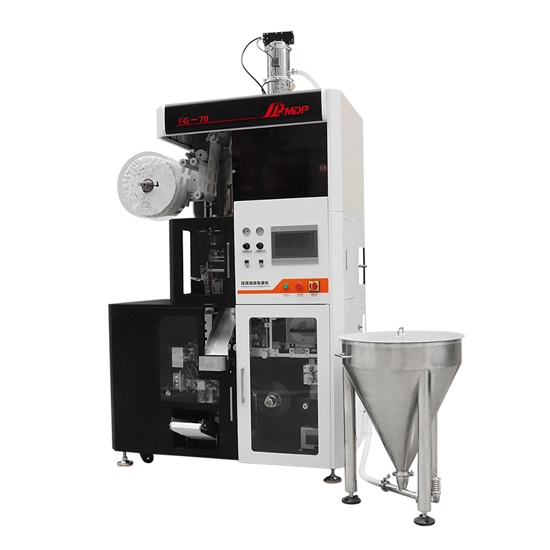
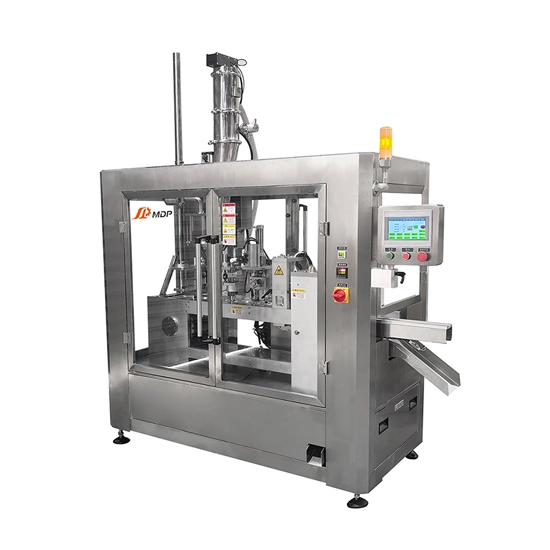
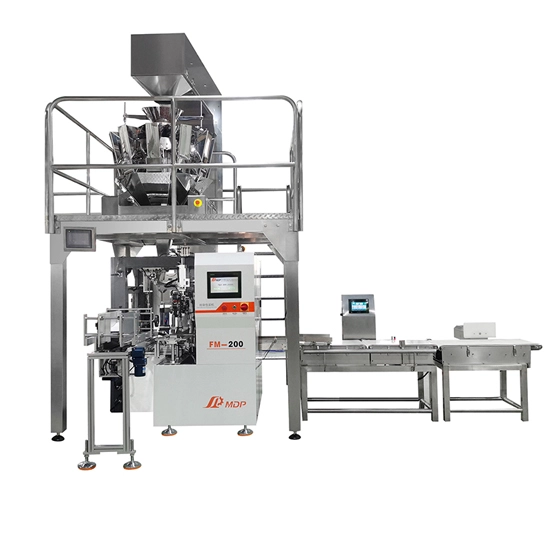
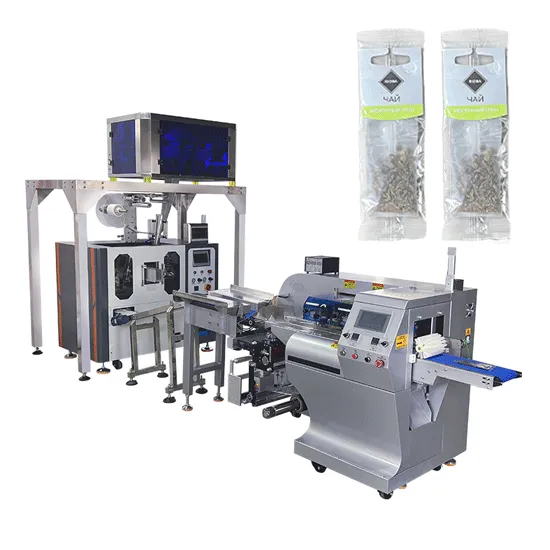
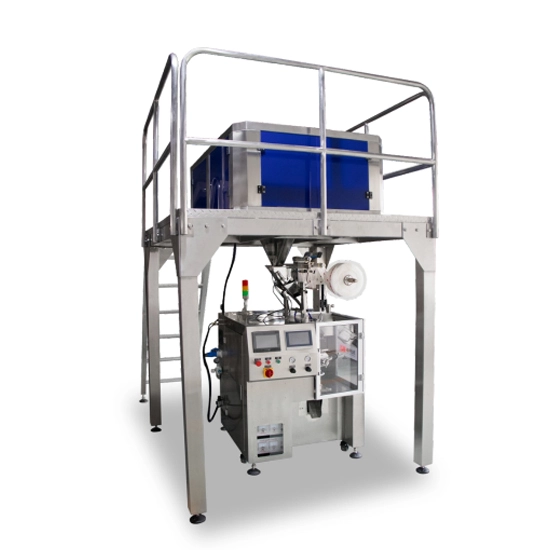
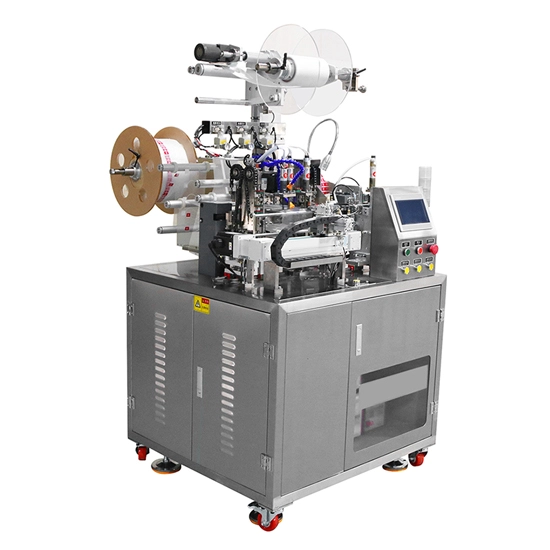
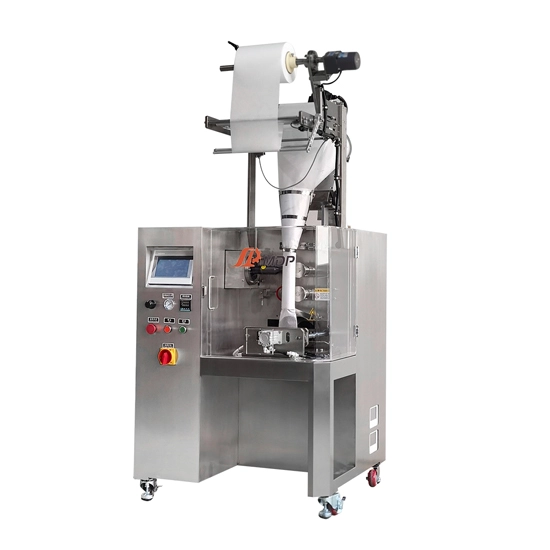
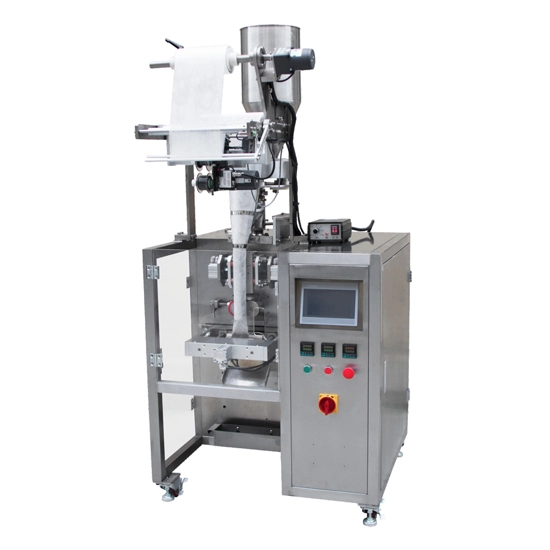
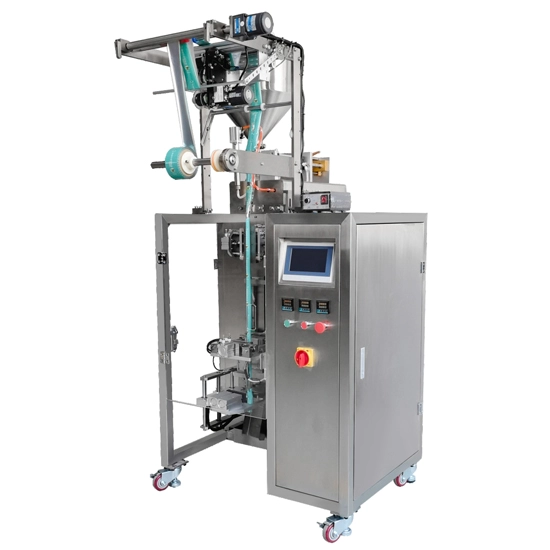
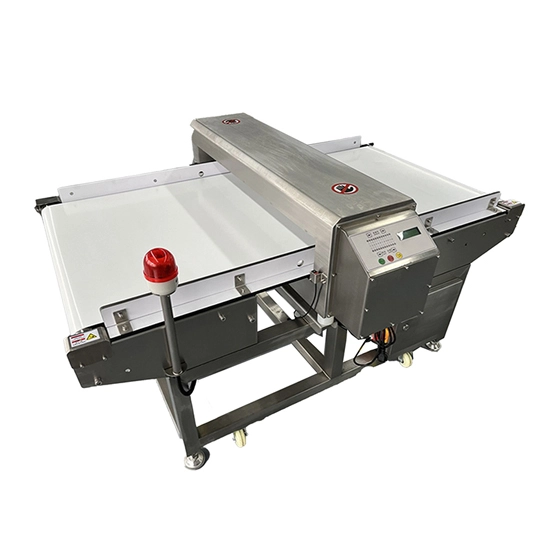
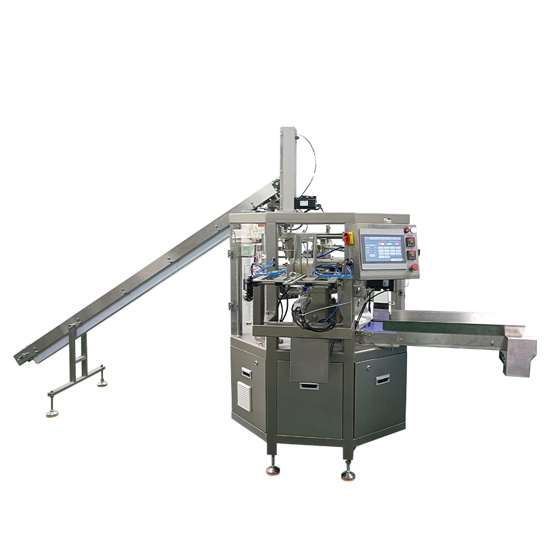
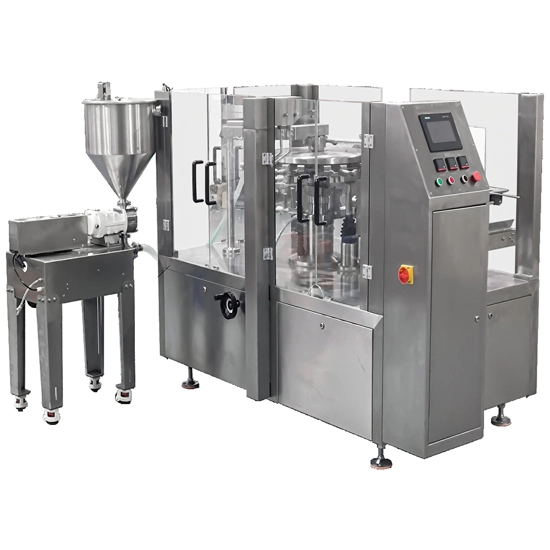
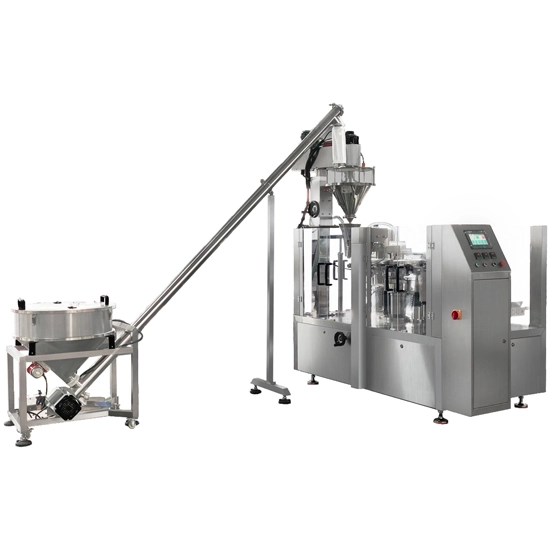
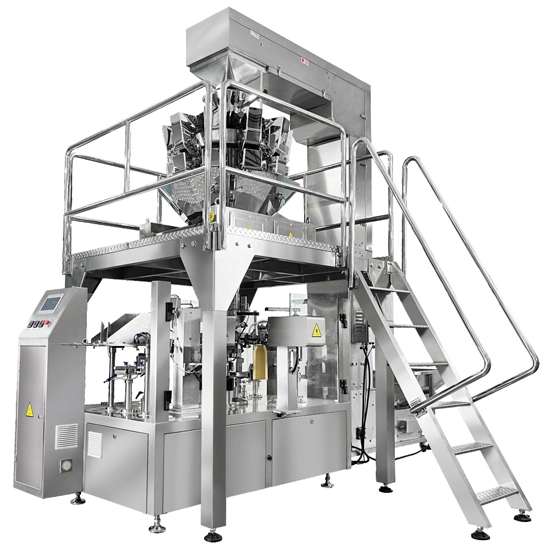

Selecting packaging equipment is rarely just a matter of finding a machine that can fill and seal a bag. In real production environments, powders behave differently, package sizes vary, and output requirements can change as a business grows. A system that performs well in one application may create inconsistent filling, frequent adjustments, or unnecessary downtime in another.
The purchasing decision should therefore start with the product and the production process. Before comparing machine models, manufacturers need to clarify how the powder behaves, how much product each package should contain, what package formats are required, and how much output the line must deliver. Operator involvement, product changeovers, cleaning requirements, and future capacity should also be considered.
Once these requirements are clearly defined, it becomes much easier to determine which fully automatic powder packing machine is appropriate and which powder packing machine suppliers can provide a practical solution. The following factors can help you evaluate your options systematically and avoid choosing equipment based on specifications that may not reflect actual production needs.
The product itself should be the starting point when selecting a packaging system. Powders with different physical properties can behave very differently during feeding, dosing, and filling, so there is no universal configuration that works equally well for every application.
Several characteristics deserve attention:
Flowability: Free-flowing powders generally move through the feeding system more easily, while cohesive powders may form bridges or resist consistent feeding.
Bulk density: Variations in density can influence the amount of product delivered during each filling cycle.
Particle size: Fine powders may generate more dust and require suitable sealing and handling arrangements.
Moisture sensitivity: Hygroscopic products can absorb moisture, potentially affecting product condition and feeding performance.
Cohesion and stickiness: Powders that adhere to contact surfaces may require adjustments to the feeding and dosing components.
Product sensitivity: Some products need careful handling to reduce segregation or other changes in product characteristics.
These properties influence the choice of hopper design, feeding mechanism, auger configuration, sealing method, and other product-contact components.
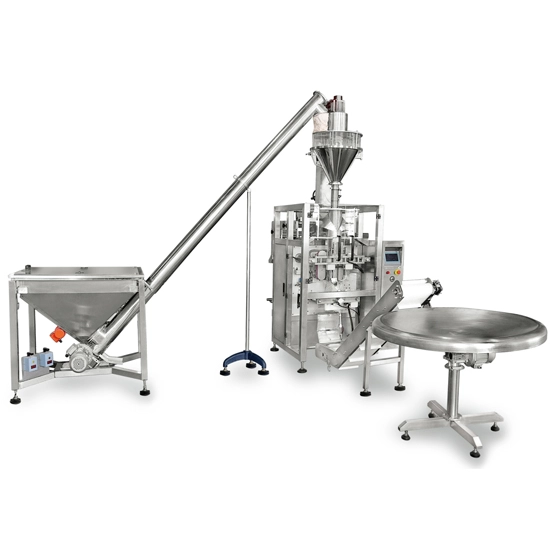
For example, an auger dosing system is commonly used for powdered products because controlled screw rotation can provide repeatable product delivery. However, the appropriate auger design and operating parameters still depend on the specific powder and target fill quantity.
For this reason, manufacturers should provide powder packing machine suppliers with representative product samples and detailed product information whenever possible. Testing the actual material is more useful than selecting equipment based only on a general product category.
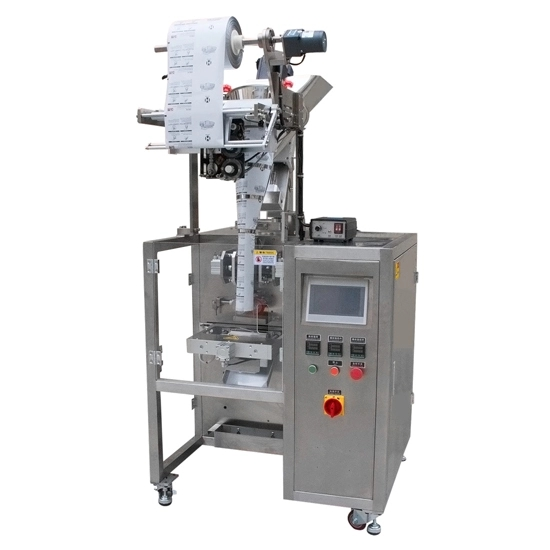
After understanding the powder, define exactly what needs to be packed.
The required filling range is particularly important. A manufacturer producing several SKUs may need to handle different filling quantities and package dimensions, while another business may have a relatively narrow and stable product range.
Before choosing equipment, establish:
Target fill quantity
Minimum and maximum filling requirements
Bag or pouch dimensions
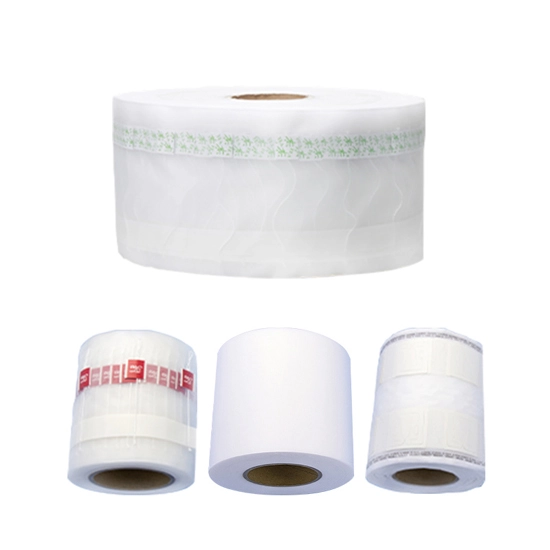
Packaging material
Number of SKUs
Expected future package sizes
Required changeover frequency
A machine's stated filling capability should not automatically be interpreted as the practical operating range for every powder. Actual performance depends on the product characteristics, dosing system, package format, and machine configuration.
If several package sizes are required, ask how the machine is adjusted between them and how much changeover time is normally involved. Easy adjustment can be particularly valuable when production involves multiple products or frequent batch changes.
It is also worth considering future requirements. If new products or larger package sizes may be introduced, selecting a machine with suitable flexibility can prevent an unnecessary equipment replacement later.
Dosing directly affects the consistency of every package. Variations in the amount filled can result in product giveaway, underfilled packages, quality issues, or additional inspection work.
For many powder applications, auger filling provides a practical method for controlling product delivery. The rotation of the screw moves a controlled amount of powder toward the filling point, while machine parameters can be adjusted according to the application.
However, dosing accuracy should never be considered separately from the rest of the system.
A useful comparison framework is:
| Selection Factor | What to Evaluate | Why It Matters |
|---|---|---|
| Powder properties | Flowability, density, particle size, cohesion | Determines feeding and dosing requirements |
| Dosing method | Auger or other suitable technology | Influences filling consistency and product compatibility |
| Filling range | Minimum and maximum quantities | Determines whether the machine fits your product portfolio |
| Package format | Bags, pouches, sachets, or other formats | Affects filling and sealing configuration |
| Control system | Recipe management and parameter adjustment | Supports repeatable production |
| Product-contact parts | Construction and material | Important for hygiene, durability, and cleaning |
| Changeover | Adjustment and cleaning process | Influences downtime and operating efficiency |
When comparing a fully automatic powder packing machine, ask how the supplier validates filling performance with your actual product. A reliable supplier should be able to explain the factors affecting consistency rather than simply provide a single accuracy figure without application context.
Product testing can be especially useful for fine, cohesive, or difficult-to-flow powders. It helps identify potential feeding problems before the machine enters regular production.
Production speed is an important consideration, but the machine with the highest advertised speed is not necessarily the most suitable choice.
Actual output can be affected by:
Filling quantity
Powder characteristics
Package dimensions
Feeding and dosing method
Sealing requirements
Product changeovers
Operator involvement
Upstream and downstream equipment
This means manufacturers should distinguish between theoretical machine speed and practical production output.
For example, frequent product changes or difficult powder characteristics may reduce effective output even when the machine's nominal cycle rate appears high. Likewise, a packaging line may be limited by its sealing, inspection, conveying, or feeding stages rather than the filling mechanism itself.
When discussing capacity with powder packing machine suppliers, provide your expected production volume and operating conditions. Instead of asking only how many packages the machine can produce per minute, ask whether the proposed configuration can consistently achieve your required output with the actual product and packaging materials.
Future demand matters as well. If production is expected to grow, it may be worthwhile to consider a system that provides appropriate capacity or integration flexibility. The goal is not to purchase the largest machine available, but to select equipment that matches both current and foreseeable production needs.
Automation should be evaluated according to the production process rather than treated as a feature checklist.
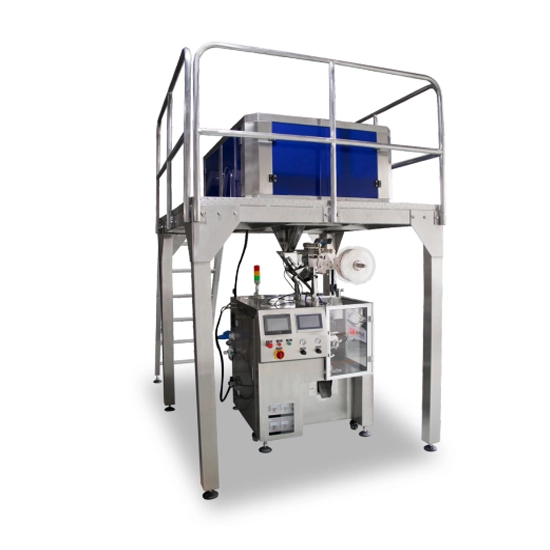
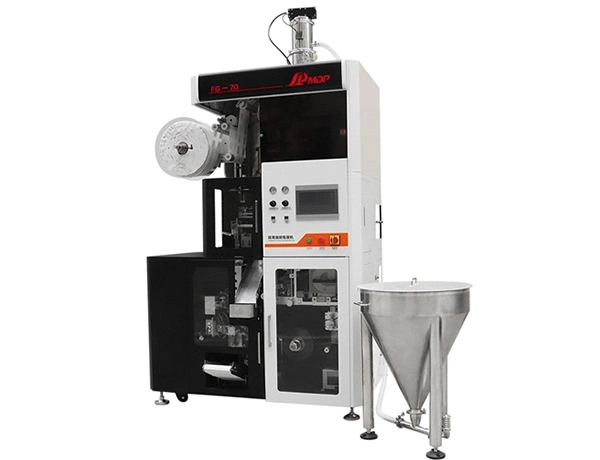
A fully automatic powder packing machine can reduce manual intervention by coordinating several packaging operations. Depending on the configuration, these may include feeding, dosing, bag forming or pouch handling, filling, sealing, date coding, and other processes.
Before deciding how much automation is appropriate, examine your existing workflow.
Ask:
Which packaging steps are currently manual?
Where do bottlenecks occur?
How many operators are involved?
How often are products changed?
How frequently do package sizes change?
Is automated recipe management required?
Does the machine need to communicate with other equipment?
For high-volume production with stable product specifications, greater automation can improve process consistency and reduce repetitive manual work. For operations with many SKUs or frequent short production runs, however, flexibility and fast changeover may be more valuable than maximum automation.
The right solution should balance automation, productivity, flexibility, maintenance, and operating costs.
Manufacturers evaluating different configurations can explore the MD Packer product range to review available powder packaging equipment and determine which machine types may correspond with their applications.
The equipment is only one part of the purchasing decision. The capabilities of the powder packing machine suppliers behind that equipment can have a significant impact on installation, commissioning, daily operation, and long-term maintenance.
A supplier should first understand your application before recommending a machine. A good technical discussion should cover the product, package, filling range, production target, automation requirements, and working environment.
Whenever possible, ask whether the supplier can test the machine with your actual powder and packaging materials.
Testing can help evaluate:
Feeding stability
Filling consistency
Dust generation
Sealing performance
Changeover requirements
Overall packaging compatibility
This can reduce uncertainty before the equipment is finalized.
Not every packaging application can be handled effectively by a standard configuration. Depending on the product and production line, customization may involve the hopper, dosing components, package dimensions, sealing system, control functions, or connections to upstream and downstream equipment.
The important question is whether customization solves a genuine production requirement. Additional features should contribute to measurable improvements in usability, compatibility, efficiency, or product handling.
Long-term support should also be part of the evaluation.
Consider whether the supplier provides:
Installation and commissioning assistance
Machine operation guidance
Technical troubleshooting
Maintenance recommendations
Spare-parts support
Technical documentation
Ongoing communication
For an automated packaging line, a problem in one component can affect the overall process. Responsive technical support can therefore be just as important as the initial machine specification.
Rather than comparing suppliers solely by quotation price, evaluate the complete solution.
| Evaluation Area | Key Question |
|---|---|
| Product compatibility | Can the supplier demonstrate experience with similar powders? |
| Machine configuration | Does the proposed system match the required package and filling range? |
| Testing | Can your actual product be tested before final selection? |
| Customization | Can the machine be adapted to specific requirements? |
| Automation | Can it integrate with the existing packaging process? |
| Technical support | What assistance is available during installation and operation? |
| Spare parts | Can replacement components be supplied when needed? |
| Future expansion | Can the system accommodate reasonable changes in production? |
This approach provides a more meaningful basis for comparing powder packing machine suppliers and reduces the risk of choosing equipment simply because it has a lower initial price or a higher advertised speed.
If your product, package format, and production requirements have already been defined, you can contact MD Packer to discuss your application and potential packaging solution.
Choosing the right fully automatic powder packing machine starts with understanding the product rather than comparing machine specifications in isolation. Powder characteristics, filling range, package dimensions, dosing technology, production output, automation requirements, and future capacity all need to work together.
A practical selection process should also include product testing and a careful evaluation of the supplier. The best powder packing machine suppliers should be able to explain why a particular configuration suits your application, identify potential production challenges, and provide appropriate technical and after-sales support.
Ultimately, the right machine is not necessarily the fastest or most sophisticated option. It is the one that can consistently handle your powder, meet your packaging requirements, support efficient production, and remain practical as your business develops.
A fully automatic powder packing machine is packaging equipment designed to automate key operations such as powder dosing, filling, package handling, and sealing. The exact functions depend on the machine configuration and packaging format.
Start by evaluating flowability, bulk density, particle size, moisture sensitivity, and cohesion. Testing the actual powder with the proposed machine configuration is recommended before making a final purchasing decision.
No. Practical output depends on powder characteristics, filling quantity, package format, changeover frequency, sealing, and other equipment in the line. Consistent real-world output is more important than maximum theoretical speed.
Many machines can handle multiple package sizes within their designed operating range. However, the practical range and changeover requirements depend on the machine configuration and should be confirmed with the supplier.
Ask about product compatibility, dosing technology, filling range, practical production output, product testing, customization, changeover, spare parts, installation, technical support, and integration with your existing line.
Because successful operation depends on more than the equipment itself. Proper commissioning, technical guidance, troubleshooting, spare-parts availability, and after-sales support can help maintain stable production and reduce avoidable downtime.