English
 français
 Español
 русский
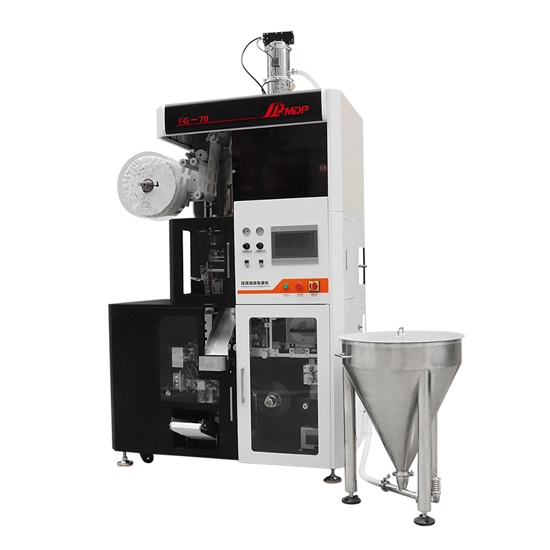
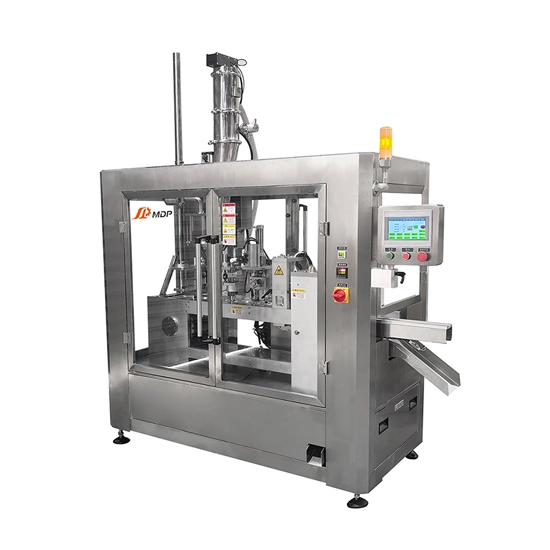
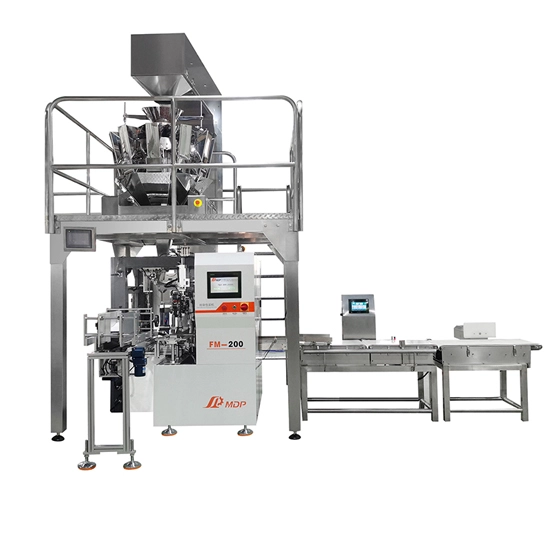
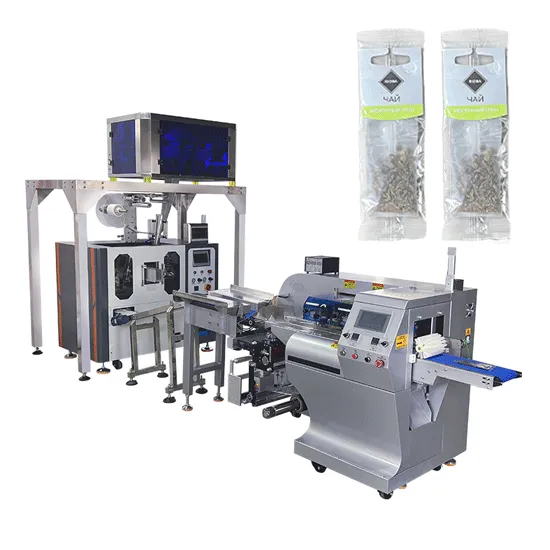
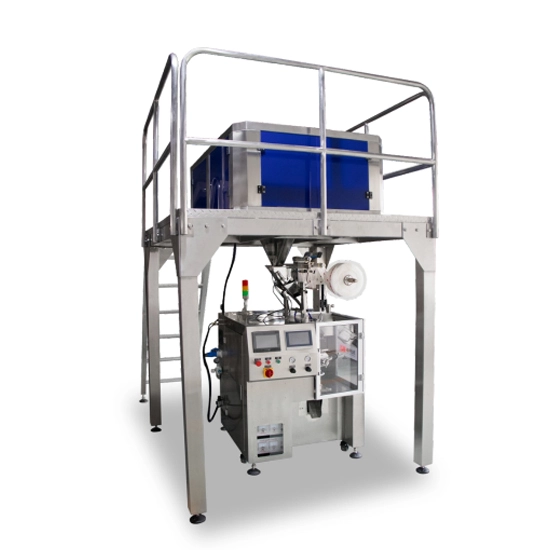
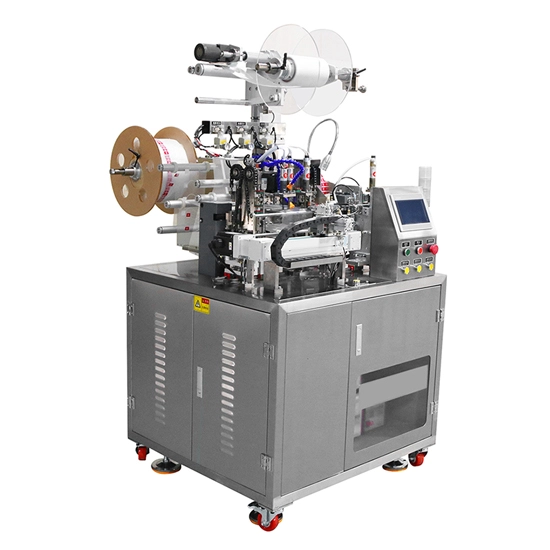
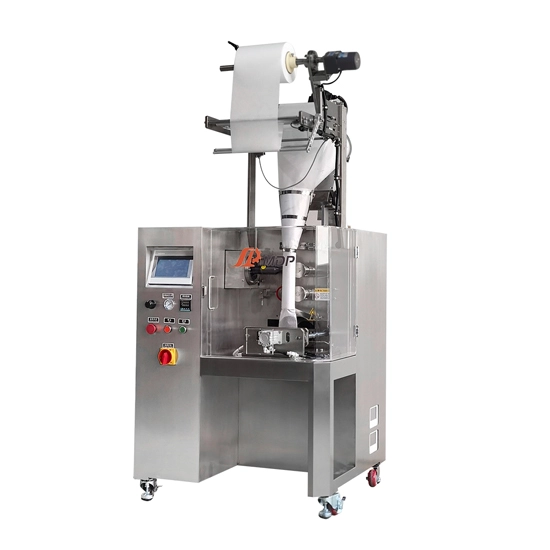
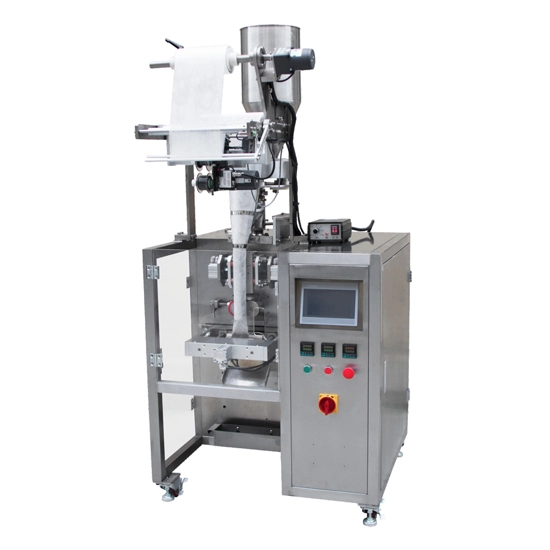
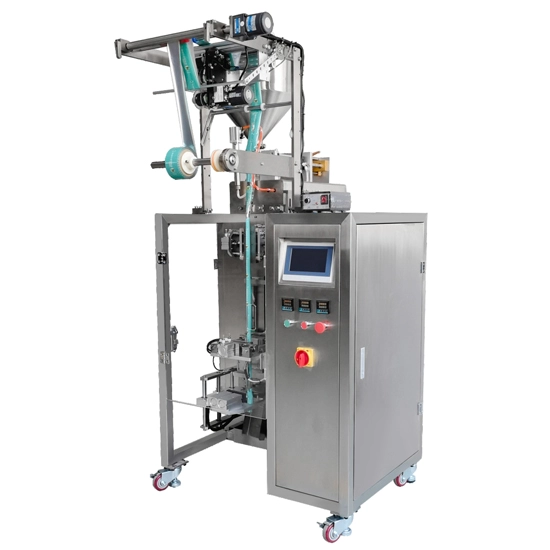
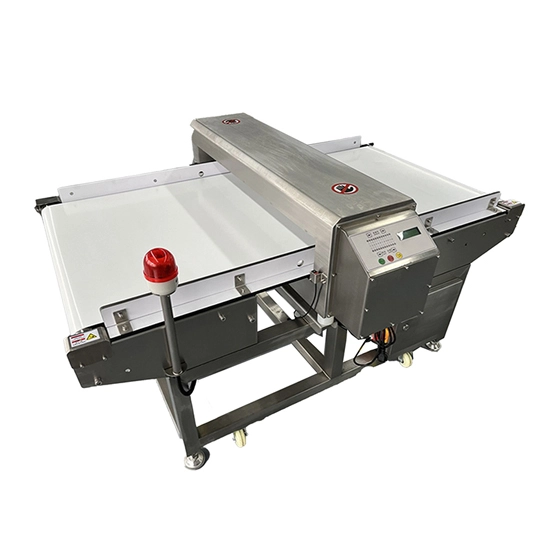
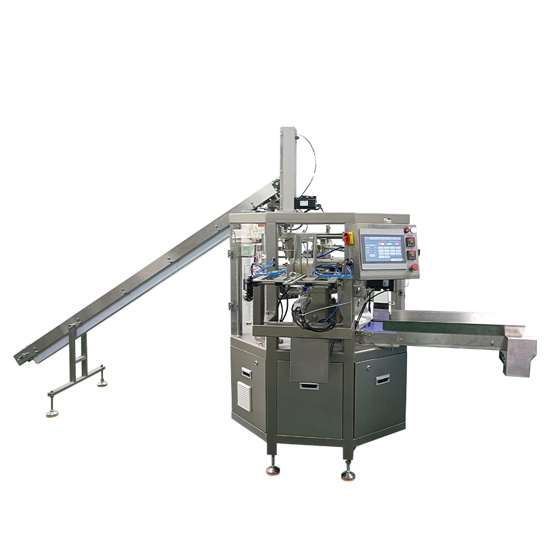
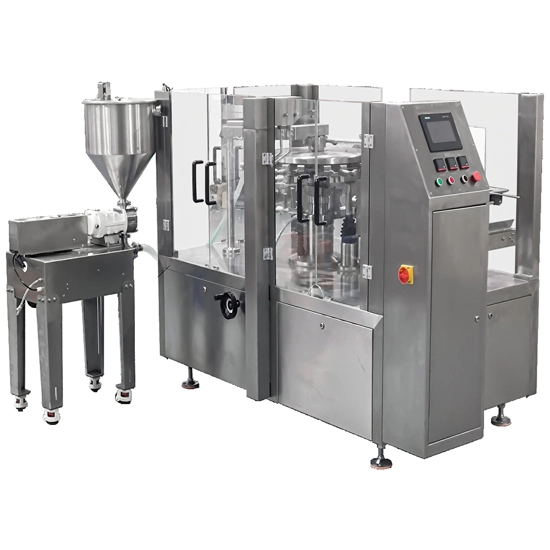
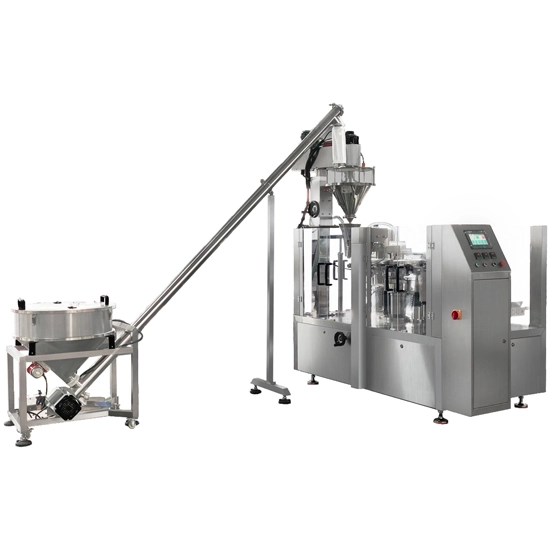
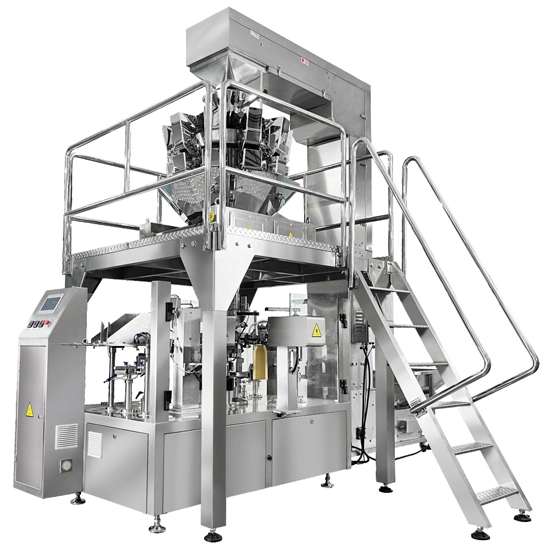

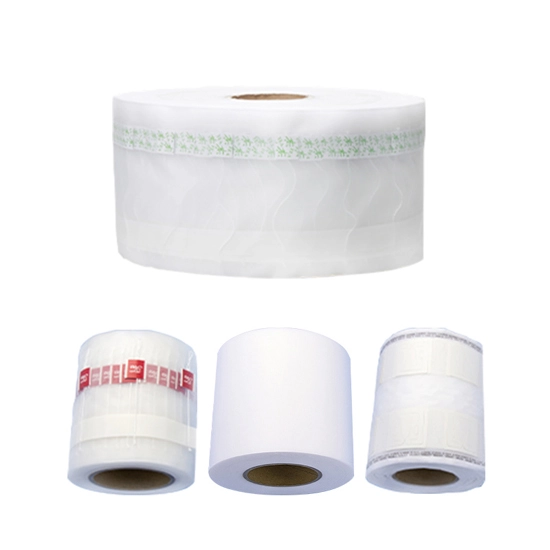
How can tea manufacturers improve packaging efficiency while maintaining flexibility for different products and production volumes? This question has become increasingly important for businesses that need to balance product quality, operating costs, and market responsiveness. Traditional manual packaging methods may work for limited production, but they often struggle to provide the consistency, speed, and reliability required for growing tea operations.
A small tea bag packing machine provides a practical approach to improving tea packaging performance. By automating key processes such as measuring, filling, sealing, and bag forming, it helps manufacturers achieve more consistent results while reducing dependence on manual labor. Its compact structure and flexible operation make it suitable for businesses that require efficient packaging solutions without the complexity of large-scale industrial systems.
Choosing the right small tea packing machine allows tea producers to handle different tea products more effectively, improve production stability, and optimize their overall workflow. This article explores how flexible tea packaging equipment supports different applications, the key factors affecting packaging efficiency, and how modern solutions from MDPACKER help businesses build efficient and adaptable tea production processes.
Modern tea manufacturers are facing increasingly diverse production requirements. Consumers are looking for more choices, including traditional black tea, green tea, herbal blends, fruit tea, flower tea, and specialty tea products. Each type of tea may have different characteristics, particle sizes, and packaging requirements, making flexibility an essential feature of modern packaging equipment.
A reliable small tea bag packing machine is designed to support different production needs through adjustable settings and adaptable operating functions. Manufacturers can modify filling quantities, sealing parameters, and packaging configurations according to product specifications. This flexibility allows one machine to handle multiple tea varieties instead of requiring separate equipment for each product category.
For small and medium-sized tea businesses, this adaptability provides significant operational advantages. Large industrial packaging lines may offer high output, but they are not always suitable for companies with limited production volumes or frequently changing product selections. A compact small tea packing machine offers a practical balance between automation, investment efficiency, and production flexibility.
Another important benefit is faster response to market changes. Tea brands often introduce seasonal products, limited-edition blends, or new packaging formats to meet customer preferences. Flexible packaging equipment allows manufacturers to adjust production parameters more efficiently, reducing the time required for product changeovers and helping businesses respond quickly to new opportunities.
Modern tea packaging systems can also support different bag styles and packaging formats depending on application requirements. Whether producing everyday tea products or premium specialty items, manufacturers can benefit from equipment designed to maintain stable performance across different production scenarios.
For companies evaluating suitable equipment options, MDPACKER provides tea packaging solutions designed for various production requirements. Manufacturers can explore available tea packaging equipment solutions to compare different configurations and identify equipment that matches their operational goals.
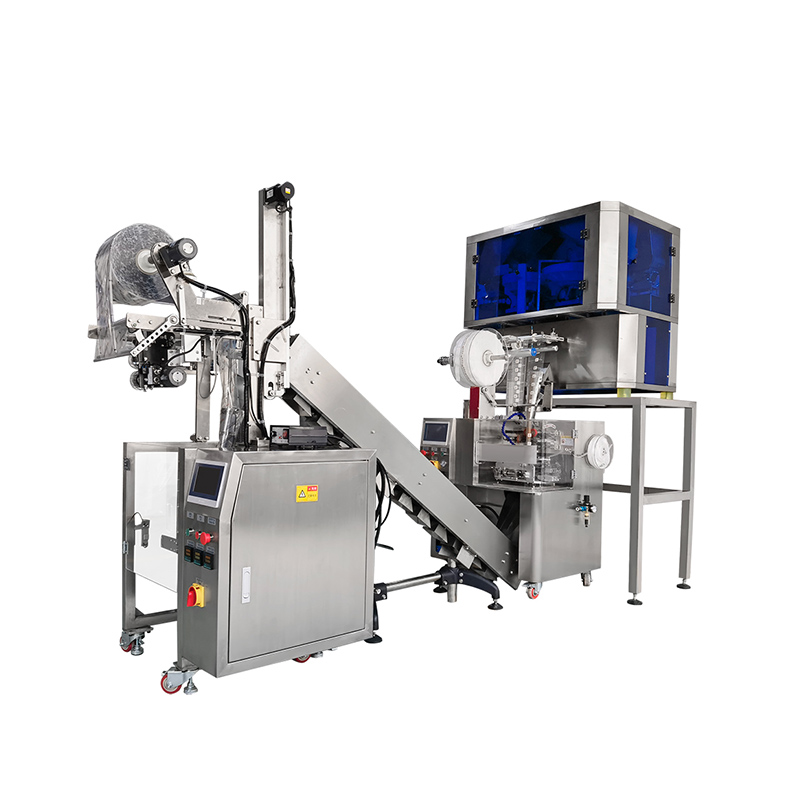
The efficiency of a tea packaging system depends on several interconnected factors, including filling accuracy, sealing quality, machine stability, material compatibility, and ease of operation. A high-performance small tea bag packing machine must achieve a balance between these elements to ensure reliable production and consistent product quality.
Filling accuracy is one of the most important performance indicators. Tea products are commonly sold according to specific package weights, and inconsistent filling may affect both production costs and customer experience. Advanced measuring systems help maintain precise dosing, ensuring each tea bag contains the correct amount of tea while reducing unnecessary material usage.
Sealing performance also plays a critical role in protecting tea quality. A properly sealed package helps prevent moisture, contamination, and external environmental influences from affecting freshness. A dependable small tea packing machine uses controlled sealing technology to create consistent package integrity while maintaining efficient production speeds.
Machine stability directly influences productivity. Frequent downtime, manual adjustments, or inconsistent operation can reduce output and increase operating expenses. Reliable mechanical structures, intelligent control systems, and durable components allow packaging equipment to operate smoothly during extended production periods.
Ease of use is another important consideration for tea manufacturers. Modern packaging machines often feature intuitive control interfaces, adjustable operating parameters, and simplified production settings. These functions reduce operator training requirements and allow production teams to manage packaging tasks more efficiently.
In addition, compatibility with different tea materials and packaging films improves long-term usability. Manufacturers that produce multiple product types benefit from equipment capable of adapting to different requirements without significant modifications. This flexibility helps companies maintain efficient production while expanding their product portfolios.
| Evaluation Factor | Traditional Manual Packaging | Small Tea Bag Packing Machine |
|---|---|---|
| Packaging Speed | Limited by operator workload and manual processes | Stable automated operation with consistent output |
| Filling Accuracy | May vary depending on operator experience | Precise control for consistent tea quantities |
| Production Flexibility | Requires more manual adjustments | Supports faster product changeovers |
| Package Consistency | Quality may differ between batches | Maintains uniform sealing and appearance |
| Labor Requirements | Requires more manual involvement | Reduces repetitive packaging tasks |
| Space Efficiency | Depends on manual workflow arrangement | Compact design suitable for limited spaces |
The diversity of tea products available in today's market requires packaging equipment that can adapt to different applications. From traditional tea bags used in daily consumption to premium specialty blends, manufacturers need systems that can maintain consistent quality while handling various tea materials.
A small tea bag packing machine provides flexibility for packaging different tea categories, including black tea, green tea, herbal tea, flower tea, fruit tea, and blended tea products. Each tea type may have unique characteristics, such as different particle sizes, moisture sensitivity, or aroma preservation requirements. Flexible equipment helps manufacturers adjust packaging processes according to these product differences.
For herbal and specialty teas, maintaining product appearance and freshness is especially important. Delicate ingredients such as dried flowers, leaves, and botanical mixtures require careful handling during filling and sealing. Precise packaging control helps protect the appearance and quality of these products while ensuring consistent package performance.
A versatile small tea packing machine is also valuable for businesses offering multiple product lines. Many growing tea brands introduce different flavors, seasonal collections, or customized product ranges to attract various customer groups. Instead of investing in separate machines for every product type, manufacturers can use adaptable equipment to support a wider range of applications.
Packaging flexibility also helps businesses improve inventory management. When equipment can handle different tea products efficiently, manufacturers can schedule production more effectively and reduce the need for multiple dedicated packaging systems. This makes operations easier to manage while improving overall resource utilization.
As tea consumption trends continue to diversify, packaging equipment that supports multiple applications provides a stronger foundation for business growth. By choosing a flexible packaging solution, manufacturers can respond more effectively to changing market demands while maintaining consistent product quality.
Space utilization is an important consideration for many small and medium-sized tea manufacturers. Compared with large industrial packaging lines, a compact small tea bag packing machine requires less installation space while still providing automated packaging capabilities. This makes it suitable for businesses operating in limited production areas or expanding from manual packaging methods.
The smaller footprint does not mean reduced functionality. Modern compact tea packaging equipment integrates essential automation features, including accurate filling, sealing control, and user-friendly operation systems. Manufacturers can improve production efficiency without making major changes to their existing facility layout.
Another advantage of compact design is easier installation and operation. Smaller equipment typically requires less complex infrastructure and can be integrated into existing production workflows more easily. This allows businesses to upgrade their packaging processes with minimal disruption to daily operations.
For startups and growing tea companies, investment efficiency is also a key concern. A small tea packing machine provides access to automated production benefits without the higher investment requirements associated with large-scale packaging systems. Businesses can improve quality and productivity while maintaining better control over capital expenditure.
Compact equipment is also beneficial for manufacturers producing smaller batches or frequently changing product varieties. Because these operations often prioritize flexibility over maximum output, a practical and adaptable machine design can provide greater value than oversized systems designed for high-volume production only.
Maintaining consistent packaging quality is essential for tea manufacturers because package appearance, filling accuracy, and sealing performance directly influence customer perception. Even small variations between packages can affect brand reputation and production efficiency. For this reason, precision control has become a key feature of modern tea packaging equipment.
A reliable small tea bag packing machine uses advanced control systems to manage important packaging parameters throughout the production process. Accurate measurement systems help maintain consistent tea quantities, while automated control technology ensures stable operation during continuous production. This reduces the risk of human error and helps manufacturers achieve uniform results across different batches.
Sealing precision is another important aspect of packaging quality. Tea products require effective protection against moisture, air exposure, and external contamination. A well-controlled sealing process helps maintain package integrity while ensuring that each tea bag meets quality expectations. Stable temperature control and consistent sealing pressure contribute to reliable packaging performance.
Modern machines also improve quality control by reducing unnecessary variation between production cycles. With digital operation systems, manufacturers can save production parameters and quickly repeat successful settings when producing the same product. This helps maintain consistency when handling large orders or multiple production batches.
For businesses producing premium tea products, packaging precision is particularly important. Customers often associate packaging quality with product value, and consistent appearance can strengthen brand recognition. A high-quality small tea packing machine enables manufacturers to achieve professional packaging results while improving operational reliability.
Beyond product quality, precision control also supports cost management. Accurate filling reduces tea material waste, while stable operation minimizes defective packages. Over time, these improvements help manufacturers achieve better production efficiency and stronger profitability.
Improving production efficiency requires more than increasing packaging speed. Tea manufacturers need a complete packaging solution that combines flexibility, reliability, precision, and ease of operation. A well-designed small tea bag packing machine helps businesses optimize each stage of the packaging process while creating a more efficient production workflow.
Automation reduces repetitive manual tasks and allows operators to focus on production monitoring and quality management. By integrating measuring, filling, sealing, and packaging operations, modern equipment reduces unnecessary handling steps and creates a smoother production process.
Another important advantage is improved resource utilization. Accurate filling reduces product waste, while stable machine operation helps lower downtime-related costs. These improvements allow manufacturers to achieve better output with more efficient use of labor, materials, and production space.
For growing tea businesses, scalability is also an important consideration. A flexible small tea packing machine allows manufacturers to increase production efficiency while maintaining the ability to introduce new products in the future. This adaptability helps companies build packaging systems that support long-term business development.
Choosing suitable equipment requires careful evaluation of production requirements, product types, packaging formats, and future expansion plans. Businesses that need professional guidance can contact MDPACKER for professional packaging recommendations based on their specific production needs and operational goals.
Tea manufacturers today need packaging equipment that can provide both efficiency and flexibility. A modern small tea bag packing machine helps businesses achieve consistent packaging quality, improve production stability, and handle different tea products with greater adaptability.
Compared with manual packaging methods, an automated small tea packing machine offers advantages in filling accuracy, operational efficiency, space utilization, and long-term productivity. For small and medium-sized tea producers, choosing the right packaging solution can help reduce production challenges while creating a more reliable foundation for future growth.
With advanced packaging technology and practical equipment solutions, MDPACKER supports tea manufacturers in improving their packaging processes and achieving more efficient production performance. By selecting equipment that matches their specific requirements, businesses can optimize operations while maintaining the quality standards expected in today's competitive tea market.
A small tea bag packing machine is used to automatically measure, fill, seal, and package different types of tea products into tea bags or related packaging formats.
A small tea packing machine can typically handle various tea products, including black tea, green tea, herbal tea, flower tea, fruit tea, and blended tea products.
Compact packaging machines require less production space, provide automation advantages, and are suitable for small and medium-sized tea businesses with flexible production needs.
It improves quality through accurate filling control, consistent sealing performance, and automated operation that reduces human errors during packaging.
Yes. Flexible machines can usually be adjusted for different tea materials, package sizes, and production requirements.
Manufacturers should consider production volume, tea product types, packaging requirements, machine flexibility, reliability, and supplier support before making a decision.