English
 français
 Español
 русский
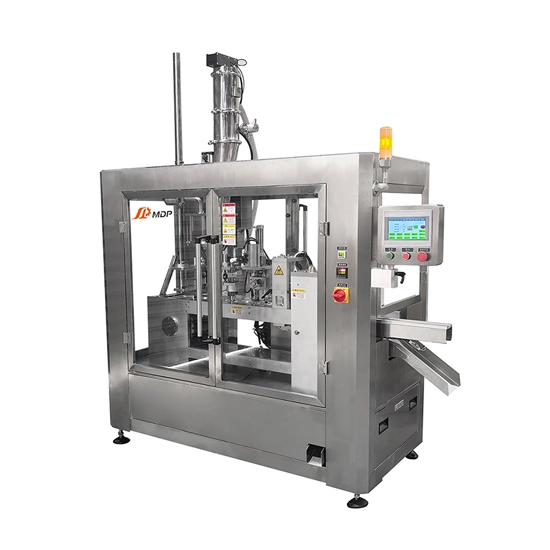
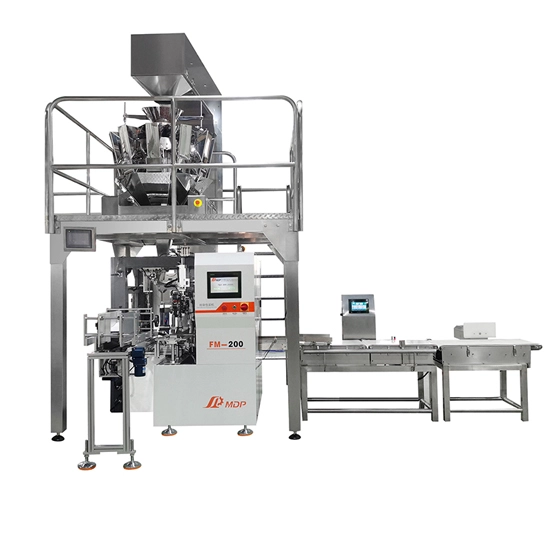
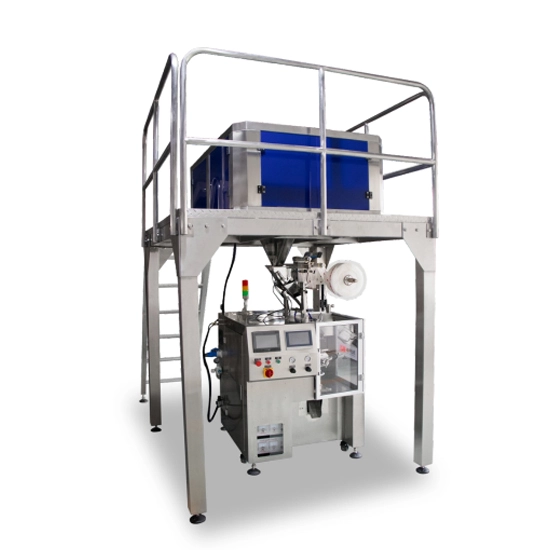
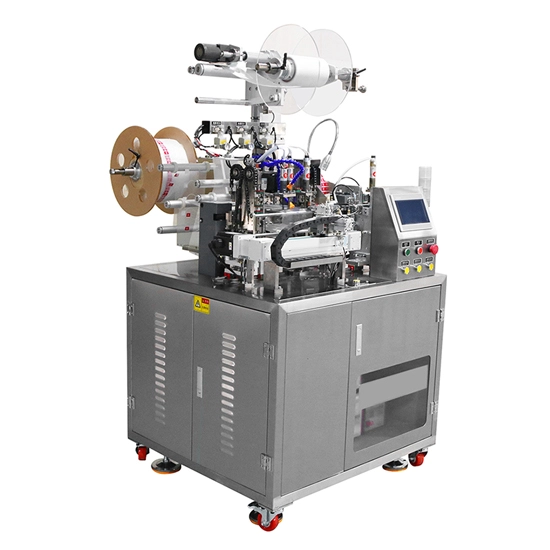
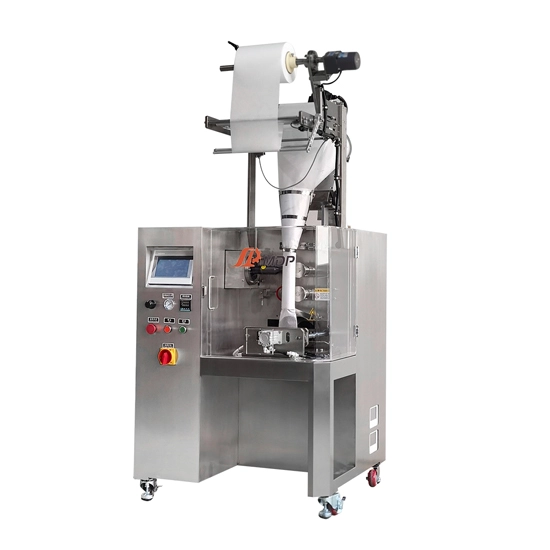
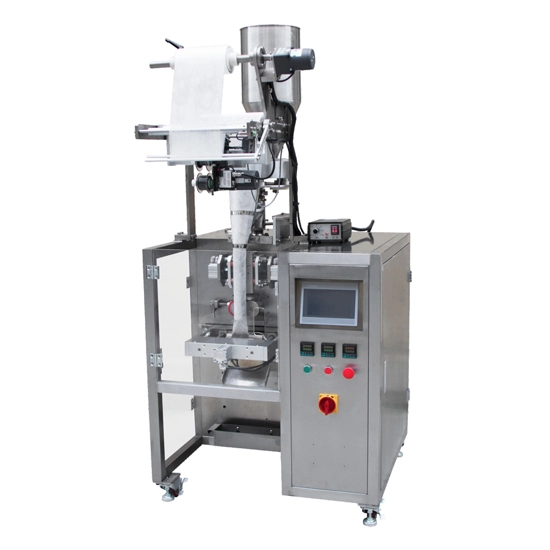
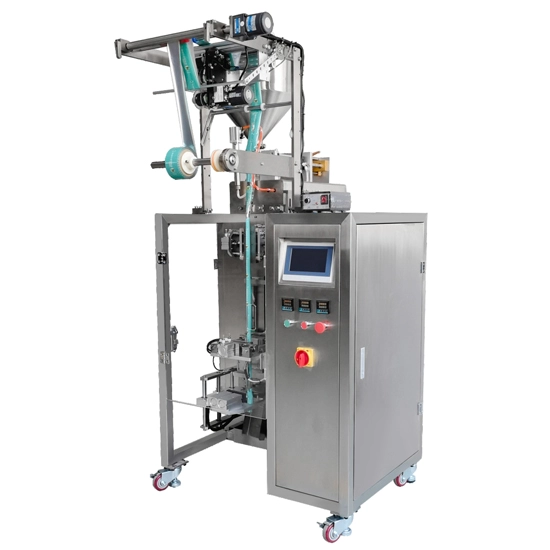
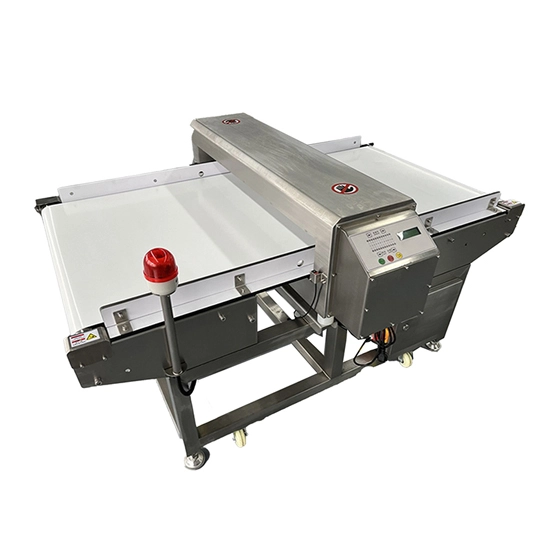
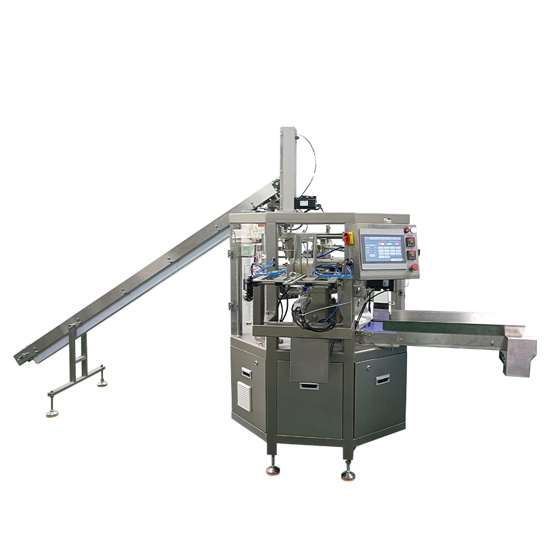
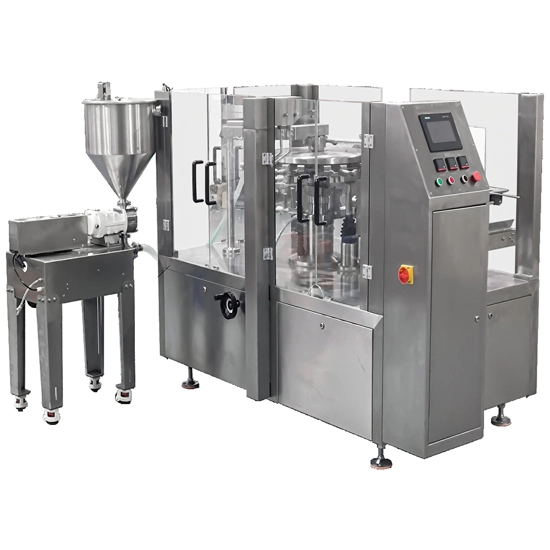
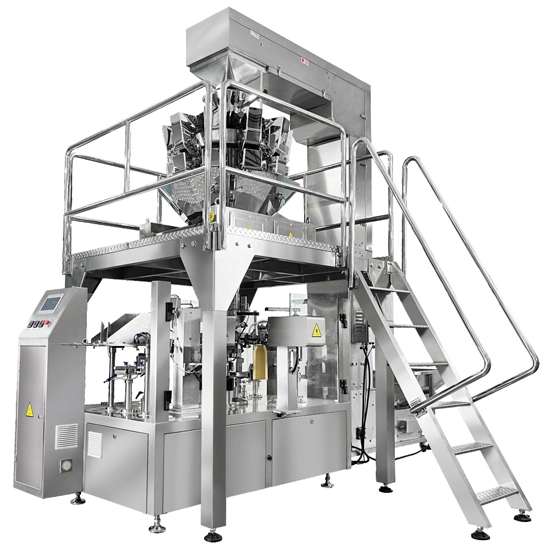

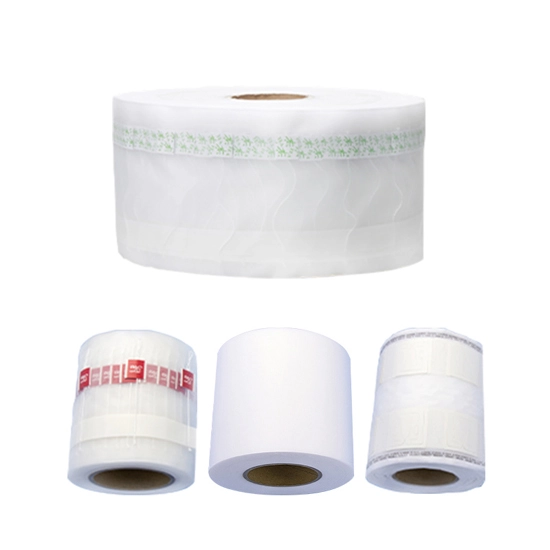
Every stage of the drip coffee packaging process directly influences production efficiency, product consistency, and manufacturing costs. For coffee producers supplying supermarkets, cafés, online retailers, and private-label brands, maintaining stable output while preserving coffee freshness has become increasingly important. As order volumes continue to grow and labor costs rise, relying on manual packaging or semi-automatic equipment often creates bottlenecks that limit production capacity and increase operational expenses.
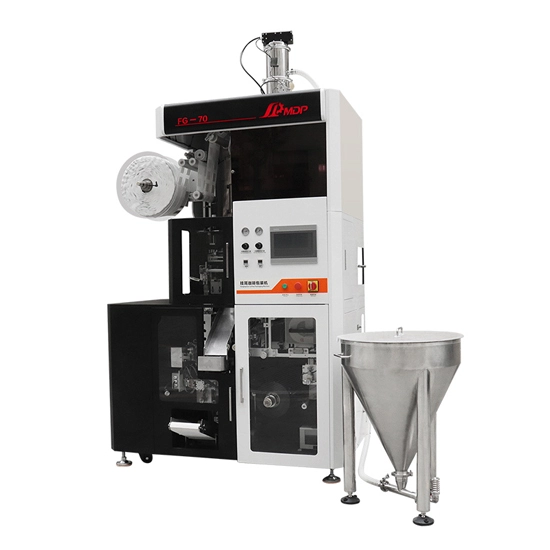
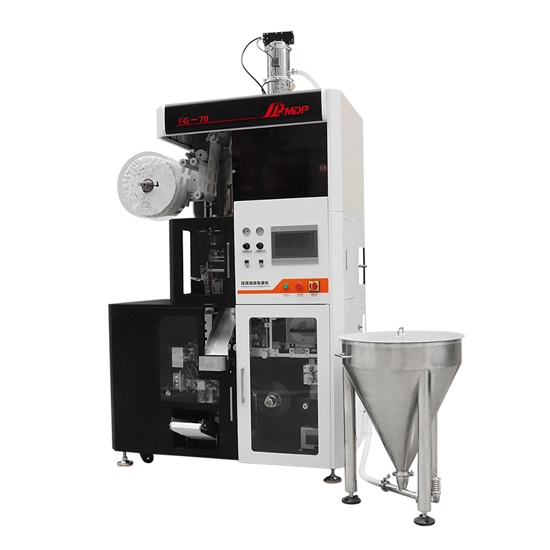
An advanced drip coffee packaging machine addresses these challenges by integrating weighing, filter bag forming, filling, sealing, outer pouch packaging, coding, and product discharge into one continuous production process. Compared with traditional packaging methods, a modern drip coffee bag packing machine significantly improves production speed, filling accuracy, and packaging consistency while reducing labor requirements and material waste.
For coffee manufacturers seeking sustainable growth, packaging automation is no longer simply a way to increase output—it is a strategic investment that improves production efficiency, enhances product quality, and strengthens competitiveness. This article explores the major factors influencing packaging efficiency, explains how automation optimizes coffee packaging, and provides practical guidance for selecting equipment that supports long-term productivity. Throughout these discussions, examples from MDPACKER demonstrate how intelligent packaging technology can help manufacturers build more efficient production lines.
The efficiency of a drip coffee packaging machine depends on much more than its maximum operating speed. True production performance is determined by the combination of filling accuracy, machine stability, sealing quality, packaging material compatibility, and production continuity. When these factors work together efficiently, manufacturers achieve higher output with fewer interruptions and lower operating costs.
Accurate weighing is one of the most important elements. Most drip coffee bags contain approximately 8 to 15 grams of ground coffee, depending on product specifications. Even small weight variations repeated across thousands of packages can increase coffee consumption and reduce profitability. Modern servo-controlled weighing systems maintain highly consistent dosing throughout extended production runs, allowing manufacturers to control raw material costs while ensuring every package delivers the intended brewing experience.
Packaging materials also influence efficiency. Coffee producers often package products using different filter papers, laminated films, aluminum foil pouches, or recyclable materials to meet diverse market requirements. A reliable drip coffee bag packing machine must process these materials smoothly without wrinkles, film deviation, or unstable sealing. Stable material handling reduces waste while producing attractive packaging that reinforces product quality.
Heat sealing performance is equally critical because airtight packages preserve coffee aroma by limiting exposure to oxygen and moisture. Intelligent temperature control systems automatically maintain consistent sealing conditions throughout production, reducing defective packages while extending product shelf life.
Another important factor is production continuity. Frequent machine stoppages reduce daily output and increase labor costs. Modern automation minimizes interruptions through intelligent diagnostics, automatic fault alarms, and recipe storage, allowing operators to switch between different coffee products quickly without lengthy adjustments. These features enable manufacturers to maximize the overall efficiency of their drip coffee packaging machine while maintaining stable production quality.
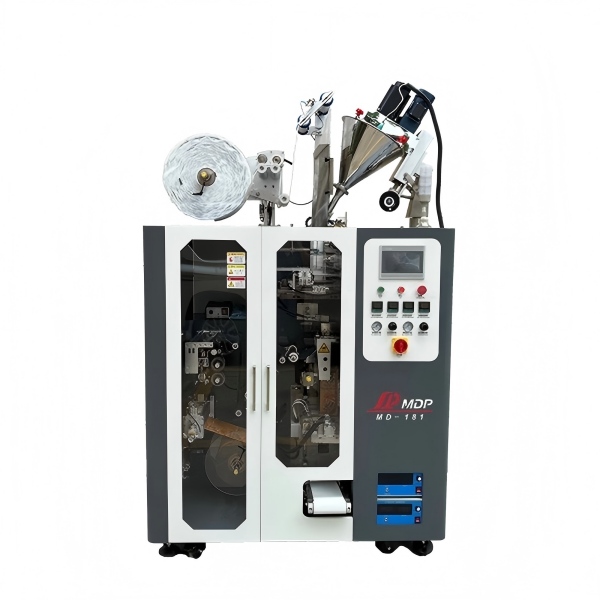
Automation has become a key factor in improving coffee packaging efficiency because it allows manufacturers to achieve higher production speeds while maintaining consistent quality. A modern drip coffee packaging machine replaces multiple manual operations with an integrated system that coordinates weighing, filling, sealing, packaging, and inspection through intelligent controls.
One of the biggest advantages of automation is improved accuracy. During manual packaging, variations in operator experience and working conditions may affect filling consistency and package appearance. Automated systems use precise sensors, servo motors, and programmable controls to ensure each packaging cycle follows the same parameters. This consistency helps coffee manufacturers maintain uniform product quality across every production batch.
Speed improvement is another major benefit. An automated drip coffee bag packing machine can complete multiple packaging steps continuously without requiring separate manual handling between processes. By combining filter bag production, coffee filling, sealing, outer pouch packaging, and coding into one workflow, manufacturers can significantly improve production efficiency while reducing unnecessary labor involvement.
Advanced automation technologies also improve quality control. Sensors continuously monitor key operations such as film positioning, sealing temperature, and bag alignment. When abnormal conditions occur, the machine can provide alerts or automatically stop operation to prevent large quantities of defective products. This reduces material waste and helps manufacturers maintain stable production standards.
In addition, intelligent control systems provide valuable production information. Operators and managers can review machine status, production data, and maintenance reminders, making it easier to identify efficiency improvements and optimize production planning. These digital capabilities allow manufacturers to move from reactive problem solving toward proactive production management.
| Comparison Factor | Traditional Packaging Methods | Automated Drip Coffee Packaging Machine |
|---|---|---|
| Production Speed | Limited by manual operation efficiency | Continuous and stable production |
| Filling Accuracy | May vary between operators | Precise automatic weighing control |
| Labor Requirement | Requires more manual workers | Reduced operator involvement |
| Packaging Consistency | Depends on operator skills | Uniform quality across batches |
| Material Usage | Higher risk of waste | Optimized through accurate control |
| Production Monitoring | Mainly manual inspection | Real-time system monitoring |
Improving packaging efficiency requires more than installing faster equipment. The entire workflow must be optimized so that every stage operates smoothly from raw coffee preparation to final product output. A fully automated drip coffee packaging machine helps manufacturers achieve this by connecting multiple production processes into a single coordinated system.
In a traditional packaging environment, workers may need to handle weighing, transferring, sealing, and checking products separately. This increases the possibility of human error and creates unnecessary production steps. Automated systems eliminate many of these limitations by allowing coffee to move through each stage with minimal manual intervention.
The integrated workflow begins with accurate coffee dosing, followed by filter bag forming, filling, sealing, and outer pouch packaging. Finished products can then proceed directly to coding and inspection. This streamlined approach improves production speed while creating a more controlled and hygienic packaging environment.
Another advantage of automation is faster product changeover. Coffee manufacturers often produce different blends, package sizes, and product categories. Modern machines allow operators to save and adjust production parameters through digital interfaces, reducing setup time when switching between different products.
For companies planning future expansion, choosing flexible equipment is especially important. A scalable packaging system allows manufacturers to increase production capacity without completely replacing existing equipment. MDPACKER provides automated packaging solutions designed for different coffee applications. Businesses can explore available equipment options through the products to identify suitable packaging systems based on their production requirements.
Production efficiency is closely connected with equipment reliability. Even the fastest drip coffee packaging machine cannot deliver maximum value if unexpected failures frequently interrupt operations. For coffee manufacturers, reducing downtime is essential because every production interruption can affect delivery schedules, labor utilization, and overall operating costs.
Reliable packaging equipment starts with stable mechanical design and high-quality components. Industrial-grade electrical systems, precision control components, and durable structures help machines maintain consistent performance during long production cycles. A well-designed drip coffee bag packing machine reduces unnecessary wear, improves operational stability, and supports continuous production environments.
Preventive maintenance is another important factor in improving reliability. Instead of waiting until equipment problems occur, modern packaging systems use intelligent monitoring functions to identify potential issues early. Operators can receive maintenance reminders, review machine status, and address minor problems before they develop into major production interruptions.
Daily maintenance practices also contribute to long-term performance. Regular cleaning, sealing system inspection, sensor checking, and weighing system calibration help maintain packaging accuracy and reduce unexpected downtime. Following proper maintenance procedures allows manufacturers to extend equipment service life while maintaining stable product quality.
Supplier support also plays an important role when evaluating packaging equipment. Professional technical guidance, spare parts availability, and after-sales service help manufacturers maintain production efficiency throughout the machine lifecycle. By working with experienced suppliers such as MDPACKER, companies can improve equipment utilization and reduce operational risks.
Selecting the right drip coffee packaging machine requires careful consideration of production goals, product requirements, and future business development. While packaging speed is an important factor, manufacturers should evaluate the complete performance of the system, including accuracy, flexibility, reliability, and operating efficiency.
Production capacity should match both current needs and future growth plans. Choosing equipment with appropriate capacity prevents production bottlenecks while avoiding unnecessary investment in oversized systems. A flexible drip coffee bag packing machine allows manufacturers to increase output as market demand grows.
Packaging flexibility is equally important. Coffee companies may introduce different blends, bag designs, or product formats over time. Equipment that supports different filling weights, filter materials, and packaging styles provides greater adaptability and helps manufacturers respond quickly to changing customer requirements.
Ease of operation should also be considered. Modern packaging machines with intuitive interfaces, automated parameter settings, and intelligent monitoring systems reduce operator training requirements and improve daily production management. These features allow manufacturers to maintain stable performance even when production schedules become more complex.
Before making a final investment decision, manufacturers should also consider supplier experience and technical support capabilities. A reliable equipment partner can provide professional recommendations, installation assistance, and ongoing service to ensure the packaging system continues operating efficiently. Companies interested in discussing suitable packaging configurations can contact MDPACKER for further consultation based on their production needs.
Maximizing production efficiency in coffee manufacturing requires a packaging solution that combines speed, precision, reliability, and flexibility. An advanced drip coffee packaging machine enables manufacturers to automate critical processes, improve filling accuracy, reduce waste, and maintain consistent product quality throughout large-scale production.
Compared with traditional packaging methods, an automated drip coffee bag packing machine provides significant advantages by reducing manual involvement, improving operational stability, and supporting scalable production growth. For coffee manufacturers aiming to remain competitive, investing in reliable automation technology is an effective way to improve efficiency while meeting increasing expectations for quality and delivery performance.
With professional packaging solutions and industry experience, MDPACKER helps businesses develop efficient coffee packaging operations that support long-term productivity and sustainable growth.
A drip coffee packaging machine is used to automatically complete processes such as coffee weighing, filter bag filling, sealing, and outer pouch packaging with Nitrogen flushing optional for drip coffee products.
A drip coffee bag packing machine improves efficiency by automating repetitive processes, increasing packaging consistency, reducing labor requirements, and minimizing material waste.
Yes. Many automated systems can support different coffee blends, filling weights, and packaging formats through adjustable production settings.
Manufacturers should evaluate production capacity, filling accuracy, packaging flexibility, equipment reliability, maintenance requirements, and supplier support.
Regular maintenance, timely replacement of wear parts, proper operation, and choosing reliable equipment suppliers can help reduce unexpected downtime.
Automated equipment provides faster production, more consistent quality, lower labor dependency, improved efficiency, and better scalability for growing coffee businesses.